26 May 2022. Planting season for organic Turmeric has started at @Sadhana Organic Nature Gardens . Sadhana, our green fingers, planted the first turmeric seed. Our farm ladies will complete the process in about 2 weeks. The farm produces the best quality organic Turmeric Powder. The farm produces and sells organic Raw Turmeric, Turmeric seeds and Turmeric Powder
Showing posts with label Organic Farming methods. Show all posts
Showing posts with label Organic Farming methods. Show all posts
Saturday, 28 May 2022

Sugarcane plantation : Ring Pit Method
At Sadhana Organic Nature Gardens, we are expanding our sugarcane crop, due to the extreme popularity of our jaggery powder produced from our organic sugarcane. We do it in the Ring Pit Method. This method optimises the utilisation of the bio nutrients, by restricting their application to the rhizosphere of the plants in the pit. Also, the soil in the pit becomes nutrient and microbe rich, resulting in very healthy sugarcane plants.
Tuesday, 20 December 2016
Effective Microorganisms Technology
 |
| Image courtesy : TNAU |
EM or Effective Microorganisms is a consortium culture of different
effective microbes commonly occurring in nature. Most important among
them are: N2-fixers, P-solubilizers, photosynthetic microorganisms,
lactic acid bacteria, yeasts, plant growth promoting Rhizobacteria and
various fungi and Actinomycetes. In this consortium, each microorganism
has its own beneficial role in nutrient cycling, plant protection and
soil health and fertility enrichment.
Benefits of EM use : Improve seed germination, seedling emergence, growth of plants, flowering, fruiting and ripening of grains and fruits.
- Improves photosynthetic potential.
- Increase tolerance in plants against pest attack.
- Improves physico-chemical and biological properties of soil.
- Help in control of soil borne pathogens.
- Interdependent biological activity of different EM organisms creates a congenial environment for growth and spread of soil's flora and fauna. They also promote the growth and colonization of VAM, which further help in plant growth promotion.
- Help in quick degradation of organic matter. With the use of EM the requirement of compost can be reduced or dispensed with. Just recycling of crop residue with EM can give similar results as with good compost. This saves lot of labour and space required for compost preparation.
- Improves soil biota and makes the soil soft and porous
- Procurement of primary EM- available in market
- Preparation of secondary EM – to be carried out by the farmer
- Appropriate dilution of the secondary EM solution
- Application to plants, soil and organic matter as spray
Preparation of secondary EM solution
Depending upon the requirement and its end use, various EM formulations
have been developed. Even among one formulation depending upon the place
and climatic conditions some variations have been incorporated and
recommended by promoting institutes and agencies. Some of the widely
used and popular formulations are described below. Water used in all
formulations should be either rainwater or fresh tube-well water. Tap
water is not to be used.
- Dissolve 5 kg jaggary (chemical free) in about 100 lit of water
- Add 5 lit of EM
- Mix thoroughly and pour into a plastic carboy. Seal the carboy and allow to ferment for 7 days
- Dilute this solution in a ratio of 1:1000 and spray over soil or crop residue. For seed treatment soak the seeds in this diluted solution.
EM-5 for control of insects and pests
- Dissolve 100gm of jaggary in 600 ml of water
- Add 100 ml each of natural vinegar, wine or brandy and EM
- Mix thoroughly and transfer the contents in a plastic bottle or carboy and seal the container.
- To increase the potency few cloves of garlic and chilly paste can also be added to this suspension before sealing the container.
- Allow the contents to ferment for 5-10 days under shade.
- Release the gas daily
- Within 10 days the EM solution will be ready for use. This can be stored up to 3
months at normal room temperature in a cool and dry place.
- Dilute the contents in a ratio of 1: 1000 and apply as foliar spray with the help of a sprayer.
- Cover the drum and tie with a rope.
- The drum should be filled up to the top, leaving very little space for air.
- Fermentation and gas formation process will start slowly.
- Mix the contents at repeated intervals.
- Finished FPE having a pH of 3.5 with pleasing smell will be ready in 5-10 days time.
- Filter the solution through a cloth and collect the filtrate.
- For spraying on soil dilute the FPE in a ratio of 1 : 1000 with fresh water.
- For spraying on crops dilute FPE in a ratio of 1 : 500.
- Spraying should be done after germination of seeds in early morning hours once or twice a week.
Bokashi is a
type of compost prepared by fermentation of waste organic matter with
the help of EM. Bokashi is mainly used for improving the fertility
status of soil and for enhancing the degradation of crop residue.
- Collect sufficient quantity of different organic matter (such as rice bran, fish meal, animal waste etc) equivalent to 150 lit drum volume.
- Mix 150gm of jaggary and 50 ml of EM in 15 lit of water.
- Mix this solution with organic waste thoroughly in such a way that entire contents get uniformly moistened.
- Grind 2.3 kg of fresh green weeds to a coarse paste. Dilute with 14 lit of water.
- Dissolve 42 gm of jaggary in some water and mix with weed suspension.
- Add 420ml of EM
- Transfer the contents to a plastic drum and with the help of a thick plastic sheet
- Transfer the contents in a plastic bag and seal the bag.
- To ensure the anaerobic conditions put this bag into another polythene bag and seal
- Allow the contents to ferment for 3-4 days in a cool shade place
- Bokashi will be ready after 4 days.
- This can be used immediately.
- In plastic air tight bags Bokashi can be stored up to 6 months.
How to use Bokashi
Bokashi can be used
directly as compost in poor fertility soils. It can also be used along
with the crop residues. For 0.1 ha mix 100-150 kg Bokashi with
sufficient quantity of finely chopped crop residue. Spread this mixture
over 0.1 ha area and mixed with soil a day before sowing. Spraying of
5-10 lit of 1:500 diluted simple EM-solution over this mixture can
further boost the degradation process. By using Bokashi+crop residue+
EM-solution the requirement of compost can be dispensed with. This can
save lot of labour, time and space required for compost process.
Application of EM formulations
at the time of land preparation
Dilute 5-10 lit of simple EM solution in 50-100 lit
of water and sprinkle/spray over 0.1 ha of land, when soil is wet a day before sowing.
For seed treatment
Soak seeds for 5-6 hrs in 1 : 100 fold diluted EM solution and sow immediately.
As foliar/ soil spray
After seedling emergence,
1 : 1000 diluted EM solution or FPE should be sprayed at the rate of
500 lit per ha, 4-5 times at an interval of 7-10 days. In fast growing
crops such as vegetables, spraying should be done twice a week. In
transplanted crops 1 : 500 diluted FPE can be sprayed after 5 days of
transplanting @ 750-1000 lit per ha.
For soil enrichment
For every 0.1 ha mix
100-150 kg Bokashi with crop residue and mix with soil just before
sowing. Simple EM solution @ 5-10 lit can also be used as spray over
this residue-Bokashi mix. Spraying the soil with 5-10 lit of FPE mixed
in 500-1000 lit of water per ha also add to the fertility of the soil.
source: TNAU
Monday, 10 October 2016
இயற்கை விவசாய முறை நெல் சாகுபடி
 |
| Image courtesy : wikipedia |
இயற்கை விவசாய முறையில் நெல் சாகுபடி செய்வதன் மூலம் விவசாயிகள் கூடுதல் லாபம் அடைவது மட்டுமன்றி மண் வளத்தையும் பாதுகாக்க முடியும் என்கிறார் காட்டுப்பாக்கம் வேளாண்மை அறிவியல் நிலைய உதவிப் பேராசிரியர் (உழவியல்) முருகன்.
இதுகுறித்து அவர் மேலும் கூறியதாவது:
பல்வேறுபட்ட கால நிலைகள், மண் வகைகளில் நெல்பயிர், அதைச் சார்ந்த பயிர் சுழற்சி முறையை கடைப்பிடித்து வருவதால், அதிக அளவில் ரசாயன உரங்கள், பூச்சிக் கொல்லி மருந்துகள் உபயோகப்படுத்த வேண்டியுள்ளது.
இதன் விளைவாக மண்வளம், மகசூல் குறைகிறது. நிலத்தடி நீர் மாசு, சுற்றுப்புற மாசு ஏற்பட வாய்ப்புள்ளது.
இந்தக் குறைபாடுகளில் இருந்து விடுபடுவதற்கு இயற்கை வேளாண்மை சிறந்த வழிமுறையாக உள்ளது.
அதிலும் உலக அளவில் நெல்லை உணவுப் பயிராகப் பயன்படுத்துவதால், இயற்கை முறையில் நெல் சாகுபடி மிக, மிக அவசியமாகிறது.
இயற்கை நெல் சாகுபடி என்பது, செயற்கை உரங்களையோ, பூச்சிக்கொல்லி மருந்துகளையோ பயன்படுத்தாமல் இயற்கை சார்ந்த எருக்கள், பூச்சிக் கட்டுப்பாட்டு முறைகளைக் கையாள வேண்டும்.
இயற்கை வேளாண்மையில் உற்பத்தி செய்யப்படும் நெல்லுக்கு வெளிநாடு, உள்நாட்டில் நல்ல வரவேற்பு உள்ளது. மேலும் உடல் நலம் குறித்த விழிப்புணர்வு மக்களிடையே அதிகரித்து வருவதால், பெருநகரங்களில் இயற்கை வேளாண் விளை பொருள்களுக்காக தனியாகக் கடைகள் தொடங்கப்படுவதோடு, கூடுதல் விலை கொடுத்து வாங்குவதற்கும் மக்கள் தயாராகி வருகின்றனர்.
எனவே இயற்கை முறையில் நெல் உற்பத்தி செய்தால், விவசாயிகள் கூடுதல் லாபம் அடைவது மட்டுமல்லாமல், மண் வளத்தையும் பாதுகாக்கலாம்.
நெல் சாகுபடிக்கேற்ற இயற்கை வேளாண் தொழில் நுட்பங்கள்: இயற்கை வேளாண்மையில் நல்லத் தரமான சன்ன ரகங்களான வெள்ளைப் பொன்னி, ஆடுதுறை 43, 45, 49, கோ-51, பூச்சி, நோய் எதிர்ப்புத் திறன் கொண்ட ரகங்களை உபயோகப்படுத்தினால் நல்ல மகசூல் கிடைப்பதோடு கூடுதல் விலையும் பெற முடியும். இயற்கை சாகுபடி முறையில் உற்பத்தி செய்யப்பட்ட விதைகளை உபயோகிக்க வேண்டும்.
விதை நேர்த்தி: விதை நேர்த்தி செய்வதற்கு ரசாயன பூச்சிக் கொல்லிகளைத் தவிர்த்து உயிர் உரங்கள், தாவரம் சார்ந்த பொருள்களைப் பயன்படுத்த வேண்டும்.
1 கிலோ விதைக்கு 20 கிராம் அசோஸ்பைரில்லம், 10 கிராம் பாஸ்போ பாக்டீரியா, சூடோமோனாஸ் என்ற அளவில் உபயோகித்து விதை நேர்த்தி செய்ய வேண்டும்.
இவ்வாறு செய்வதால், இளம் பயிரில் நோய் எதிர்ப்புத் திறன் அதிகரித்து மண் வழியில் பரவும் நோய்கள் தவிர்க்கப்படும்.
நாற்றாங்கால் தயாரிப்பு: நாற்றாங்கால் தயாரிப்புக்கு 1 சென்டுக்கு 100 கிலோ தொழு உரம், 50 கிலோ மண் புழு உரம், 5 கிலோ வேப்பம் புண்ணாக்கு போன்றவற்றை உபயோகப்படுத்த வேண்டும்.
நடவுப் பணி: நடவு வயலில் கடைசி உழவின்போது, 1 ஏக்கருக்கு 5 டன் தொழு உரம் இட வேண்டும்.
அல்லது நடவு வயலில் நடுவதற்கு முன்பு பசுந்தாள் உரப் பயிர்களான தக்கைப் பூண்டு, சணப்பை, கொழுஞ்சி விதைகளை 20 கிலோ விதைத்துப் பிறகு 45 நாள்கள் கழித்து பூக்கும் தருணத்தில் மடக்கி உழ வேண்டும்.
அவ்வாறு செய்யும்போது 10 டன்கள் வரை பசுந்தாள் உரங்கள் கிடைப்பதோடு, 50 முதல் 80 கிலோ வரை தழைச் சத்தும் கிடைக்கிறது.
பண்ணையில் காணப்படும் வேம்பு, புங்கம், கிளைசிரிடியா, செஸ்பானியா, சூபாபுல், மரத்தின் சிறுக் கிளைகளை உடைத்து வந்து சரியான ஈரப் பதத்தில் நிலத்தில் நன்கு மட்கும்படி மடக்கி உழ வேண்டும்.
பசுந்தாள் உரப் பயிர்களை வளர்க்க முடியாவிட்டால், 1 ஏக்கருக்கு 5 டன் மண் புழு உரம் போடலாம்.
சூடோமோனாஸ், உயிர் பூஞ்சானக் கொல்லியை ஏக்கருக்கு 1 கிலோ என்ற அளவில் 20 கிலோ தொழு உரத்துடன் கலந்து வயலில் நடுவதற்கு முன்பாக இட வேண்டும்.
நடவு வயலில் அசோஸ்பைரில்லம் 10 பாக்கெட், பால்போ பாக்டீரியா 10 பாக்கெட் ஆகியவற்றை 25 கிலோ தொழு உரத்துடன் கலந்து இட வேண்டும்.
அசோலா உயிர் உரத்தை 1 ஏக்கருக்கு 100 கிலோ என்ற அளவில் நடவு செய்த 3 முதல் 5 நாள்களுக்குள் இட்டு, நன்கு வளர்ந்த அசோலாவை (20 நாள்கள் கழித்து) கோனோவீடர் மூலம் நன்கு அழுத்தி விடுவதால், வயல்களுக்கு தழைச் சத்து உரமாகக் கிடைக்கிறது.
களை எடுக்கும் கருவிகளான கோனோவீடர் அல்லது ரோட்டரி கருவி ஆகியவற்றைக் கொண்டு நடவு செய்த 15 நாள்கள் முதல் 10 நாள்களுக்கு ஒரு முறை களை எடுக்க வேண்டும்.
அவ்வாறு செய்வதால் களைகள் குறைந்து மண் காற்றோட்டம் அடைவதுடன், வேரின் வளர்ச்சியும் அதிகரிக்கிறது. நடவு வயலில் மேல் உரமாக 1 ஏக்கருக்கு 5 கிலோ வேப்பம் புண்ணாக்கு, பயிர் தூர் தட்டும் பருவத்தில் போட வேண்டும்.
பயிர் பாதுகாப்பு முறைகள்: இயற்கை நெல் சாகுபடியில் பூச்சி, நோய் மேலாண்மை சவாலாக விளங்குகிறது. இருந்த போதிலும் ரசாயனப் பூச்சிக் கொல்லி அல்லாத ஒருங்கிணைந்த பயிர் பாதுகாப்பு முறைகளை ஆரம்பத்தில் இருந்து ஒழுங்காக கடைப்பிடிப்பதால், பூச்சி, நோய்களை வெகுவாகக் கட்டுப்படுத்தலாம்.
கோடை உழவு செய்வதால், மண்ணில் உள்ள பூச்சிகளின் கூட்டுப் புழுக்கள் அழிக்கப்படுகின்றன.
வரப்பில் உள்ள களைகளை சுத்தமாக வெட்டிவிட வேண்டும். சரியான முறையில் நீர்ப் பாசனம் செய்வதுடன் தகுந்த வடிகால் வசதிகளையும் ஏற்படுத்த வேண்டும்.
அதிக அளவில் தழைச்சத்து இடாமல் இருக்க வேண்டும். இனக் கவர்ச்சி பொறி, விளக்குப் பொறி வைத்து பூச்சிகளின் நடமாட்டம், எண்ணிக்கையைக் கண்காணித்து தகுந்த கட்டுப்பாடு முறைகளைக் கையாளுதல் வேண்டும். இயற்கை முறையில் கிடைக்கக் கூடிய தாவர வகைப் பூச்சி மருந்துகள், உயிரியல் பூச்சி நோய்த் தட்டுப்பாட்டுக் காரணிகளைப் பயன்படுத்தி கட்டுப்படுத்தலாம்.
பசுவில் இருந்து கிடைக்கக் கூடிய 5 பொருள்களான சாணம், கோமியம், பால், தயிர், நெய் ஆகியவற்றைக் கொண்டு தயாரிக்கப்படும் பஞ்சகவ்யா (3 சதவீதம்) இலை வழி ஊட்டமாக தெளிக்க வேண்டும்.
குருத்துப் புழு, இலைச் சுருட்டுப் புழு கட்டுப்படுத்தும் முறை: 5 சதவீதம் வேப்பங்கொட்டைச் சாறு தெளிக்க வேண்டும்.
ட்ரைக்கோடெர்மா ஜப்பானிக்கம் என்ற ஒட்டுண்ணி அட்டையை ஏக்கருக்கு 2 சி.சி. அளவில் 1 வார இடைவெளியில் 3 முறைக் கட்ட வேண்டும். பேசில்லஸ் துரிஞ்சியன்சிஸ் உயிரியல் காரணியை ஏக்கருக்கு 400 கிராம் வீதம் தெளிக்க வேண்டும்.
தத்துப்பூச்சி, சாறு உறிஞ்சும் பூச்சி கட்டுப்படுத்துதல்: சரியான அளவு தழைச் சத்து இட வேண்டும். காய்ச்சலும், பாய்ச்சலுமாக நீர்ப் பாசனம் செய்ய வேண்டும்.
5 சதவீதம் வேப்பங்கொட்டை சாறு அல்லது 2 சதவீதம் வேப்ப எண்ணெய் தெளிக்க வேண்டும்.
குலை நோய் கட்டுப்படுத்துதல்: வரப்பில் உள்ள களைகளை முற்றிலுமாக அகற்ற வேண்டும்.
அதிகமான அளவு தழைச்சத்து இடக் கூடாது. எதிர் சக்தி கொண்ட கோ-47 ரகம் சாகுபடி செய்ய வேண்டும். சூடோமோனாஸ், உயிரியல் காரணி ஆகியனவற்றை நடவு செய்த 45-ஆம் நாள் முதல் 10 நாள்கள் இடைவெளியில் 0.2 சதவீதத்தில் 3 முறை தெளிக்க வேண்டும்.
இலையுறை அழுகல், இலையுறை கருகல், பாக்டீரியா இலை கருகலை கட்டுப்படுத்தல்: சூடோமோனாஸ், உயிரியல் காரணி ஆகியவற்றை நடவு செய்த 45-ஆம் நாள் முதல் 10 நாள்கள் இடைவெளியில் 0.2 சதவீதம் என்ற வீதத்தில் 3 முறை தெளிக்க வேண்டும். 5 சதவீதம் வேப்பங்கொட்டைச் சாறு அல்லது 2 சதவீதம் வேப்ப எண்ணெய் தெளிக்க வேண்டும்.
ஏக்கருக்கு 50 கிலோ வேப்பம் புண்ணாக்கு இடவேண்டும். பசுவின் சாணம் 20 சதவீதம் கரைசலை நோய் புலப்படும் தருணத்தில் 15 நாள்கள் இடைவெளியில் 2 முறை தெளிக்க வேண்டும்.
இதுகுறித்து மேலும் விவரங்களுக்கு காட்டுப்பாக்கம் வேளாண் அறிவியல் நிலையத்தை 044 - 2745 2371 என்ற தொலைபேசி எண்ணில் தொடர்பு கொள்ளலாம் என்றார் உதவிப் பேராசிரியர் முருகன்.
நன்றி : தினமணி
Saturday, 1 October 2016
வேர் உட்பூசணம் என்னும் பயிர்களின் நண்பன்
பயிர்களின் வேர்கள் நிலத்தில் பதித்து சத்துக்களை கிரகித்து வளர்கின்றன. இந்த வேர்கள் குறிப்பிட்ட அளவு ஆழத்திற்கு மட்டுமே செல்லும். அப்படி செல்லும் இடத்தில் கிடைக்கும் சத்துக்களை மட்டுமே எடுத்துக்கொள்ளும். ஆனால் வேர் உட்பூசணங்களை பயிர்களுக்கு இடும் போது அவை தாவரங்களுக்கு எளிதில் கிடைக்காத சில நுண்ணிய சத்துக்களை கூட கிரகித்து பயிர்களின் வளர்ச்சிக்கு உதவுகின்றன. இந்த வேர் பூசணங்கள் என்பது ஒரு வகை நுண்ணுயிர் வகையை சேர்ந்தது. இது பயிர்களின் வேர்களில் வாழ்ந்து கொண்டு பயிர்களுக்கு தேவையான சத்துக்களை மண்ணிலிருந்து எடுத்து தான் சாந்து வாழும் பயிர்களுக்கு அளிக்கின்றன.
நுண்ணுயிரிகள்:
கண்ணுக்கு புலப்படாத மிகச்சிறிய உயிரினங்களை நுண்ணுயிரிகள் என்று அழைப்பர். இவற்றில் தாவர வேர்களில் கட்டாய கூட்டு வாழ்க்கை நடத்தும் வேர் உட்பூசணம் முக்கியமானதாகும். இந்த வேர் உட்பூசணம் என்ற நுண்ணுயிர் மண்ணில் ஸ்போர் எனப்படும் குறுகற்றையான பூஞ்சாணமாகவும், இழைத்துண்டுகளாகவும் காணப்படும். இப்படியான நுண்ணுயிரியான வேர் உட்பூசணங்கள் மண்ணில் இருக்கும் பயிரின் வேர்களை சார்ந்து வாழ்கின்றன.
இவை வளர தேவையான ஒத்த பயிர்கள் வளரும் போது வேர்ப்பூசண வித்துக்கள் முளைத்து அந்த பயிரின் வேரை சூழ்கின்றன. பிறகு சிறிதுசிறிதாகதான் சார்ந்த பயிரின் வேரினுள் நுழைகிறது. வேரிலிருந்துகிளம்பும் பூஞ்சண இழைகள் மண்ணில் சென்று சத்து நிரம்பிய நுண்ணூட்டங்களை கிரகிக்கின்றன. இவற்றால் உறிஞ்சப்படும் சத்துக்கள் வேர் இலைகளில் ஊட்டங்களாக சேமிக்கப்படுகின்றன.
வேர் உட்பூசணத்தின் செயல்பாடு:
இந்த பூசண வேர்த்தூவிகள் மண்ணில் வெகு துரத்திற்கு சுலபமாக பரவி விடுகிறது. இப்படி பரவும் திறன் இருப்பதால்,வேர்கள் பரவ முடியாத தூரத்தில் உள்ள சத்தை கூட இந்த பூசணம் உறிஞ்சி செடிகளுக்கு தருகிறது. இது தவிர, வேர் உட்பூசணம் தாவரத்தின் வேர்களுக்குள் நுழைந்து வேர் இழைகளை உண்டாக்கி, வேர்களுக்கு எட்டாத மணிச்சத்தை தனது இழைகளின் மூலம் பயிருக்கு கொண்டுவந்து சேர்க்கின்றன. மணிச்சத்தை பயிர்களுக்கு கொடுப்பதுடன் கந்தகம், துத்தநாகம் மற்றும் சுண்ணாம்பு சத்து போன்ற சத்துக்களையும் மண்ணிலிருந்து பயிர்களுக்கு எடுத்து கொடுக்கிறது. இதர நுண்ணுயிர்களைப்போல் வேர் உட்பூசணத்தை சர்க்கரை கரைசல் ஊடகங்களில் வளர்க்கமுடியாது. இது தாவர வேர்களிலேயே வளரக்கூடியது. எனவே வேர் உட்பூசணம் பிரத்தியேகமாக தயாரிக்கப்பட்ட வெர்மி குலைட் அல்லது கிருமி நீக்கப்பட்ட மணல் மண் கலந்த பாத்திகளில் வளர்க்கப்பட்ட சோளம் அல்லது புல் வகைகளின் வேர்களில் வளர்க்கப்படுகிறது. பூசண வேரில் நன்கு வளர்ந்த பின் பயிரில் வளரும் வேரும் பரவிய மண்ணும் எடுக்கப்பட்டு துகள்களாக்கி பாலித்தீன் பைகளில் கொடுக்கப்படுகிறது. இந்த கலவையை வயலில் இட பரிந்துரைக்கப்படுகிறது.
பயன்படுத்தும் முறை:
ஒரு சதுர மீட்டர் நிலப்பரப்பிற்கு 100 கிராம் வேர் உட்பூசணங்கள் போதுமானது. விதைப்பதற்கு முன் நாற்றங்காலில் மண்ணிற்கு கீழே 2 முதல் 3 செ.மீ. ஆழத்தில் இடவும். பாலித்தீன் பைகளில் வளரும் நாற்றுகளுக்கு ஒரு பைக்கு 10 கிராம் வேர் உட்பூசணம் போதுமானது. பைகளுக்கு தேவைப்படும் மண் கலவையை தயார் செய்யும்போது, 100 கிலோ மண் கலவைகளில் 10 கிலோ வேர் உட்பூசணங்கள் வளர்ந்து பாலித்தீன் பைகளில் இடவும். வளர்ந்த பயிர்களுக்கு ஒரு பயிர்களுக்கு சுமார் 200 கிராம் வேர் உட்பூசணம் தேவைப்படும்.
பயன்கள்:
குறுகிய கால பயிர்களுக்கான பயறுவகைகள், நிலக்கடலை போன்றவற்றின் மகசூலை அதிகபடுத்தப்படுகின்றன. வளர்ச்சி ஊக்கிகளை சுரந்து பயிர்வளர்ச்சியை ஊக்குவிக்கிறது. வேரைத்தாக்கும் பூஞ்சாண நோய்களிலிருந்து பாதுகாக்கிறது. மண்ணின் கட்டடமைப்பை அதிகரிக்கிறது. நிலத்தின் களர், உவர் தன்மையை தாங்கி பயிரை நிலை நிறுத்துகிறது.
நன்றி: M S Swaminathan Research FoundationM S Swaminathan Research Foundation
நன்றி: M S Swaminathan Research FoundationM S Swaminathan Research Foundation
உயிர் உரங்கள்
ஆற்றல்மிக்க ஆய்வு வகை நுண்ணுயிரிகளுடைய செயலுள்ள உயிரை அல்லது செயலற்ற உயரணுவை கொண்ட தயாரிப்பே உயிர் உரங்கள் ஆகும். இதனால், விதை அல்லது மண்ணின் வழியாக வேர்த்தண்டின் தொடர்பால் அளிக்கும் போது பயிர்களுக்குத் தேவையான ஊட்டச்சத்து கிடைக்க உதவி செய்கிறது. பயிர்கள் மண்ணிலிருந்து ஊட்டச் சத்துக்களை நுண்ணுயிரி முறைகளால் எளிதில் எடுத்துக் கொள்ள உதவுகிறது.
இயற்கையில் நுண்ணுயிரிகள் ஆற்றல் மிக்கதாக இல்லாமல் இருக்கும். செயற்கையாக இந்த நுண்ணுயிரிகளைப் பெருக்கி மண்ணில் நுண்ணுயிரிகளின் செயலை அதிகப் படுத்தலாம்.
ஒருங்கிணைந்த ஊட்டச்சத்து மேலாண்மையில் உயிர் உரங்களின் பயன்பாடு என்பது மிகவும் முக்கியமான ஒன்று. இரசாயன உரங்களுக்கான மாற்றாக நிலையான வேளாண்மையில், இந்த உயிர் உரம் விலை குறைவாகவும், ஊட்டச்சத்துக்களைப் புதுப்பித்தலுக்கான ஆதாரமாக இருக்கிறது. பல நுண்ணுயிரிகள் மற்றும் பயிர்களுடன் உள்ள தொடர்பால் உயிர் உரங்கள் தயாரிப்பு பயனுள்ளதாக இருக்கிறது. நுண்ணுயிரிகளின் தன்மை மற்றும் செயலைப் பொறுத்து இது பலவழிகளில் வகைப்படுத்தப்படுகிறது.
| வகைகள் | உதாரணங்கள் |
| தழைச்சத்தை நிலைப்படுத்தும் உயிர் உரங்கள் | |
| தன்னிச்சையாக வாழ்தல் | அசட்டோபேக்டர், பெய்ஜரிங்க்யா, க்ளாஸ்ட்ரிடியம், க்ளப்சில்லா, அனபீனா, நாஸ்டாக் |
| இணை வாழ் தன்மை | ரைசோபியம், ப்ரேங்கியா, அனபீனா, அசோலா |
| கூடிசேரும் இயல்புடைய இணை வாழ் தன்மை | அசோஸ்பைரில்லம் |
| மணிச்சத்தை கரைக்கும் உயிர் உரங்கள் | |
| நுண்ணுயிரி | பேசில்லஸ் மெகாடிரியம் வகை பாஸ்போடிக்கம், பேசில்லஸ் சப்டிலிஸ், பேசில்லஸ் சர்குலன்ஸ், சூடோமோனாஸ் ஸ்டெய்ரிட்டா |
| பூஞ்சை | பெனிசிலியம் வகைகள், அஸ்பெர்ஜிலல்லஸ் அவாமோரி |
| மணிச்சத்தை இடம் பெயரச் செய்யும் உயிர் உரங்கள்: | |
| குமிழியுடைய மரம் போன்ற வேர்சூழ் பூசணம் | குலோமஸ் வகை, கிகாஸ் போரா வகை, அகேலூஸ்போரா வகை, ஸ்கூட்டலோஸ்போரா வகை, ஸ்கிளிரோ ஸிஸ்டிஸ் வகை |
| வெளி வேர் உட்பூசணம் | லேக்கேரியா வகை, பிஸியோலித்திஸ் வகை, போலிடஸ் வகை, அமெனிட்டா வகை |
| எரிகாய்டு வேர் உட்பூசணம் | பெஜிஜில்லா எரிக்கே |
| ஆர்கிட் வேர் உட்பூசணம் | ரைசோக்டோனியா சொலானி |
| நுண்ணூட்டச் சத்துக்கான உயிர் உரங்கள்: | |
| சிலிக்கேட் மற்றும் துத்தநாக கரைதிறன்கள் | பேசில்லஸ் வகை |
| பயிர் வளர்ச்சி ஊக்குவிக்கும் வேர் நுண்ணுயிரி | |
| சூடோமோனாஸ் | சூடோமோனாஸ் ஃப்ளோரஸன்ஸ் |
Friday, 30 September 2016
தமிழ்நாட்டில் உள்ள உயிர் உர உற்பத்தி மையங்களின் பட்டியல்
| வேளாண் நுண்ணுயிரியல் துறை, வேளாண் கல்லூரி மற்றும் அறிவியல் நிலையம், தமிழ்நாடு வேளாண்மை பல்கலைக்கழகம் முனைவர். எஸ். அந்தோணிராஜ் மதுரை – 625 104 (0452 – 422956 தொலைப்பிரதி: 422185 மின்னஞ்சல்: s_anthoniraj@yahoo.com | உயிர் உர உற்பத்தி மையம், வேளாண் துறை, தமிழ்நாடு அரசு குண்டு சாலை வழி, சோமண்டலம், கடலூர் – 607001 (தமிழ்நாடு) உயிர் உர உற்பத்தி மையம், வேளாண்துறை, தமிழ்நாடு அரசு வேளாண் வேதியியலர், சாக்கோட்டை, தஞ்சாவூர் – 612 401 (தமிழ்நாடு) |
| உயிர் உர உற்பத்தி மையம், வேளாண்துறை, தமிழ்நாடு அரசு ஜமால் முகமது கல்லூரி அஞ்சல், காஜாமலை, திருச்சி – 620 020 (தமிழ்நாடு) | கிரிபிகோ சிட்கோ கார்மெண்ட் வளாகம், திரு. வி. க. தொழிற்சாலை பகுதி, கிண்டி, சென்னை – 32 |
| மண்டல ஆராய்ச்சி நிலையம் தமிழ்நாடு வேளாண்மை பல்கலைக்கழகம் பையூர் – 635 112 காவேரிப்பட்டிணம் வழி, தர்மபுரி மாவட்டம் (04343 – 50043) | மோனார்க் உயிர் உரங்கள் மற்றும் ஆராய்ச்சி மையம், 12, சிட்கோ தொழிற்சாலை பகுதி, திருமாழிசை, சென்னை – 602 107 (தமிழ்நாடு) (6272780) |
| லட்சுமி உயிர் தொழில் நுட்பம் திரு. வி. சித்தானந்தம், நெல்லிக்குப்பம் சாலை, தொட்டபட்டு, கடலூர் – 607 109 (தமிழ்நாடு) (04142 – 210136) | மேரிக்ரீன் அப்போடெக் பிரைவேட் லிமிடெட் முனைவர். Y. ஜோ 5 / 302, ஸ்ரீ சாய்பாபா தெரு, சந்தோஷ் நகர், கண்டன்சாவடி, பெருங்குடி அஞ்சல், சென்னை – 600 096 (தமிழ்நாடு) 4964202, 3735957 மின்னஞ்சல்: marygreen45@hotmail.com |
| தமிழ்நாடு வேளாண்மை பல்கலைக்கழகம் பேராசிரியர் மற்றும் தலைவர் வேளாண் நுண்ணுயிரியல் துறை, கோயமுத்தூர் – 3 (தமிழ்நாடு) 431222 விரிவு, 294 தொலைப்பிரதி: 0422 – 431672 மின்னஞ்சல்: vctnau@vsnl.com | டி. ஸ்டேன்ஸ் & கம்பெனி லிமிடெட் முனைவர். எஸ். ராமரத்தினம் 8 / 23 – 24, ரேஸ்கோர்ஸ் சாலை, கோயமுத்தூர் – 641018 (தமிழ்நாடு) (0422 – 211514, 213545) தொலைபிரதி: 217432 மின்னஞ்சல்: tsstanes@vsnl.com |
| எஸ்வின் உயர்தர தொழில்நுட்பங்கள் லிமிடெட், திரு. டி. எஸ். வெங்கட்ராமன் “எஸ்வின் இல்லம்” பெருங்குடி, சென்னை – 600096 (தமிழ்நாடு) (4961056, 460690, தொலைப்பிரதி: 4961002) மின்னஞ்சல்: tsv@vsnl.com | சதா்ன் பெட்ரோகெமிக்கல் இண்டஸ்டிரிஸ் கார்ப்ரேஷன் லிமிடெட், திரு. கே. ராஜீ ஸ்பிக் லிமிடெட் உயிர் தொழில்நுட்ப பிரிவு, செட்டியார் அகரம் சாலை, காந்தி நகர், போரூர், சென்னை – 600 116 (தமிழ்நாடு) 44 – 4768064 தொலைப்பிரதி: 044 – 4767347 மின்னஞ்சல்: biotech.por@spic.co.in |
| உயிர் உரப்பிரிவு, மணலி, மெட்ராஸ் பெர்டிலைசர்ஸ் லிமிடெட், திரு. பி. மல்லிகார்ஜீனா ரெட்டி, முதன்மை மேலாளர் உயிர் பொருட்கள் வர்த்தகக் குழு, மெட்ராஸ் பெர்டிலைசர்ஸ் லிமிடெட், மணலி, சென்னை – 600068 (தமிழ்நாடு) 044 – 5941001 விரிவு, 2750 தொலைப்பிரதி: 5741010 மின்னஞ்சல்: edcomm@mfi.tn.nic.in | உயிர் உர உற்பத்தி மையம், திரு. எஸ். முருகன், வேளாண் வேதியியலர், உயிர் உர உற்பத்தி பிரிவு, சீலநாயக்கன்பட்டி, சேலம் – 636 201 (தமிழ்நாடு) |
| உயிர் உர உற்பத்தி மையம், திரு. பி. ராமன், வேளாண் வேதியியலர், உயிர் உர உற்பத்தி பிரிவு, குடுமியான் மலை – 622 104 புதுக்கோட்டை மாவட்டம் | முக்கிய உயிர் கட்டுப்பாட்டு ஆராய்ச்சி ஆய்வகம், (தமிழ்நாடு கூட்டுறவு சர்க்கரை பேரவையின் பிரிவு) 2ஈ / 1, ராஜேஸ்வரி வேதாச்சலம் தெரு, செங்கல்பட்டு – 603001 (தமிழ்நாடு) (04114 – 431393) |
| சையா பருத்தி அபிவிருத்தி மற்றும் ஆராய்ச்சி கழகம், முனைவர். எம். ஏ. சண்முகம், “சண்முக மன்றம்”, அஞ்சல் பெட்டி எண்: 3871, ரேஸ்கோர்ஸ், கோயமுத்தூர் – 641018 (தமிழ்நாடு) (0422 – 211391, தொலைப்பிரதி: 0422 – 216798) |
நன்றி : தமிழ்நாடு வேளாண்மைப் பல்கலைகழக இணையதளம்
Thursday, 29 September 2016
உயிர் உரம் : அசோலா
அசோலா (ஆங்கிலம் : Azolla) எனபடுப்பவை தண்ணீரில் மிதக்ககூடிய பெரணி வைகையைச் சேர்ந்த தாவரம். தமிழில் இதன் பெயர் மூக்குத்தி மற்றும் கம்மல் செடி என அழைக்கப்படுகிறது.
இது நெற்பயிருக்கு ஒரு சிறந்த இயற்கை உரமாகப் பயன்படுத்தப்பட்டு வருகிறது. அசோலாவைக் கால்நடைகள் ருசித்து உண்ணும். உடல் ஆரோக்கியத்துக்குத் தேவைப்படும் அமினோ அமிலங்கள், உடல் வளர்ச்சிக்குத் தேவைப்படும் தாதுக்களான கால்சியம், பாஸ்பரஸ், பொட்டாசியம், இரும்புச்சத்து, துத்தநாகம், மாங்கனீஸ், வைட்டமின்கள் போன்றவற்றையும் உள்ளடக்கிய அற்புதச் சக்தி படைத்தது அசோலா. அது மட்டுமல்லாமல் தழைச்சத்து, மணிச்சத்து, சாம்பல் சத்து, புரதச் சத்து நிறைந்தது.
இது நெற்பயிருக்கு ஒரு சிறந்த இயற்கை உரமாகப் பயன்படுத்தப்பட்டு வருகிறது. அசோலாவைக் கால்நடைகள் ருசித்து உண்ணும். உடல் ஆரோக்கியத்துக்குத் தேவைப்படும் அமினோ அமிலங்கள், உடல் வளர்ச்சிக்குத் தேவைப்படும் தாதுக்களான கால்சியம், பாஸ்பரஸ், பொட்டாசியம், இரும்புச்சத்து, துத்தநாகம், மாங்கனீஸ், வைட்டமின்கள் போன்றவற்றையும் உள்ளடக்கிய அற்புதச் சக்தி படைத்தது அசோலா. அது மட்டுமல்லாமல் தழைச்சத்து, மணிச்சத்து, சாம்பல் சத்து, புரதச் சத்து நிறைந்தது.
அமைப்பு
 |
| Image courtesy : The hindu |
மிகச்சிறிய இலைகளையும், துல்லியமான வேர்களை கொண்டது.மேலும் இதன் தண்டு மற்றும் வேர்ப்பகுதி நீரில் மூழ்கி இருக்கும்.இந்த வகை தாவரம் அதிவேக வளர்ச்சி கொண்டவை.பெரணி தாவரமான அசோலாவின் வளர்ச்சிக்கு மிதமான வெப்பநிலையான 35-36 டிகிரி செல்சியஸ் வெப்பம் தேவைப்படுகிறது.
அசோலா வளர்ப்பது எப்படி?
முதலில் 5-க்கு 6 அடி நீளமும், 3-க்கு 4 அடி அகலமும் ஒன்று முதல் 1½ அடி வரை ஆழமும் கொண்ட குழிகளை வெட்டிக்கொள்ள வேண்டும். அதனுள் கெட்டியான பிளாஸ்டிக் பேப்பர், தார்ப்பாயை விரித்துக் கொள்ள வேண்டும். முதலில் அரை அடி உயரத்துக்குச் செம்மண் கலந்த தோட்டத்து மண்ணைப் போட்டு, இரண்டு கைப்பிடி பாறைத் தூள் அல்லது குவாரி மண் அல்லது ஆழ்துளைக் கிணறு தோண்டும்போது கிடைக்கும் பாறைத் தூளைத் தூவ வேண்டும்.
நாட்டுப் பசுஞ் சாணம் ஒன்று முதல் 2 கிலோவரை, வேப்பம் புண்ணாக்கு 50 முதல் 100 கிராம்வரை போட்டு, சுமார் ½ அடி தண்ணீர் இருக்குமாறு விட வேண்டும். தண்ணீர், மண், புண்ணாக்கு ஆகியவற்றைச் சிறிது நேரம் கிளறிவிட வேண்டும். அதன்பின் சுமார் ½ முதல் 1 கிலோ வரை அசோலா விதைகளைத் தூவ வேண்டும். 10 முதல் 15 தினங்களில் தொட்டி முழுவதும் அசோலா வளர்ந்துவிடும்.
இதிலிருந்து தினமும் ½ கிலோ தொடர்ந்து எடுத்துக்கொள்ளலாம். வாரம் ஒரு முறை ஒரு கிலோ நாட்டுப் பசுஞ் சாணம், ஒரு கைப்பிடி ஆழ்துளைக் கிணறு மண் அல்லது பாறை மண் போட வேண்டும். அத்துடன் மாதத்துக்கு ஒரு முறை அடி மண்ணைக் கொஞ்சம் எடுத்துவிட்டு, புது மண் போட வேண்டும். தண்ணீரின் அளவு 7 முதல் 10 செ.மீ. இருக்குமாறு பார்த்துக்கொள்ள வேண்டும்.
10 - 15 நாட்களுக்கு ஒரு முறை தண்ணீரைப் பாதி அளவுக்கு வெளியேற்றிப் புது நீரை மாற்ற வேண்டும். 6 மாதங்களுக்கு இதிலிருந்து தினமும் அசோலா அறுவடை செய்யலாம். அதிவேகமாக வளரும் தன்மை கொண்ட காரணத்தால், தினமும் அசோலாவை எடுத்துக்கொண்டு புதிதாக வளர்வதற்கு இட வசதி ஏற்படுத்திக் கொடுக்க வேண்டும். எந்த நிலையிலும் தண்ணீர் இல்லாமல் காய்ந்து போக விட்டுவிடக் கூடாது.
அசோலா உற்பத்தி செய்ய 1 கிலோவுக்கு 50 பைசாவுக்கும் குறைவாகவே செலவாகும். 25 டிகிரி செல்சியஸ் வெப்பநிலையில் நன்கு செழித்து வளரும். கடுமையான பகல் நேர வெயில் நேரடியாகப் படும் வகையில், அசோலா வளர்ப்புக் குழிகளை அமைக்கக் கூடாது. பகல் நேர வெயில் படாத வகையில், மேலே பச்சை துணி கட்டி நிழல் படுமாறு அமைக்க வேண்டும். காலை, மாலை நேரச் சூரியனின் இளம் வெயில் அசோலாவுக்கு மிக மிக நல்லது.
நெல் வயலில் அசோலா
நெல் வயலில் இரண்டாம் களை எடுக்கும்போது அசோலாவை வயலில் வைத்து மிதித்து விட்டால், கூடுதல் மகசூல் கிடைக்கும். அசோலாவை மண்ணில் கலந்து மக்கும் பொழுது சிறந்த உரமாக பயன்படும். மற்ற தாவரங்கள் அனைத்திற்கும் உரமாக பயன்படுத்தலாம். நெல் விளைச்சலில் இயற்கை உரமாக செயல்பட்டு மண்ணின் தரத்தை மேம்படுத்துகிறது. நெல்வயல்களில் இந்த அசோலாவை தூவிவிடுவதன் மூலம் 10 நாட்களில் வயல் முழுவதும் பரவி வளர்ந்துவிடும். நாற்று நடவு செய்த 7ம் நாள் வயலில் அசோலாவை 5 கிலோ தூவ வேண்டும். இதற்கு அளவு கிடையாது.
பயிர்களுக்கு இடைவெளியில் கிடைக்கும் காற்று, சூரிய ஒளியை பயன்படுத்திக் கொண்டு அசோலா வேகமாக வளரும். நிலத்தில் பச்சைப் போர்வை போர்த்தியது போல, நிலம் முழுவதும் அசோலா படர்ந்து விடும். 20ம் நாளில் இருந்து ஒரு ஏக்கரில் தினமும் 50 முதல் 100 கிலோ வரை அசோலாவை அறுவடை செய்யலாம். நிலம் முழுவதும் படர்ந்து விடுவதால், களை கட்டுப்படுகிறது. சாதாரணமாக 15 தூர்கள் வெடிக்கும் நிலத்தில், 40 தூர்கள் வரை வெடிக்கும். இதன் காரணமாக வழக்கமான மகசூலைவிட 10% முதல் 20% கூடுதல் மகசூல் கிடைக்கும்.
பயிர்களுக்கு இடைவெளியில் கிடைக்கும் காற்று, சூரிய ஒளியை பயன்படுத்திக் கொண்டு அசோலா வேகமாக வளரும். நிலத்தில் பச்சைப் போர்வை போர்த்தியது போல, நிலம் முழுவதும் அசோலா படர்ந்து விடும். 20ம் நாளில் இருந்து ஒரு ஏக்கரில் தினமும் 50 முதல் 100 கிலோ வரை அசோலாவை அறுவடை செய்யலாம். நிலம் முழுவதும் படர்ந்து விடுவதால், களை கட்டுப்படுகிறது. சாதாரணமாக 15 தூர்கள் வெடிக்கும் நிலத்தில், 40 தூர்கள் வரை வெடிக்கும். இதன் காரணமாக வழக்கமான மகசூலைவிட 10% முதல் 20% கூடுதல் மகசூல் கிடைக்கும்.
தீவனம்
மாடுகளுக்குத் தீவனமாகக் கொடுத்தால், அதிகபட்சம் 2 லிட்டர் வரை கூடுதல் பால் கிடைக்கும். 25% அளவுக்கு தீவனச்செலவு குறையும். கோழிகளுக்குக் கொடுத்தால் அதிக முட்டையிடும். மீன்களுக்குப் போட்டால் விரைவாக வளரும். புரதச்சத்து மிகுந்த இந்தப் பாசியில் வடை, போண்டா செய்து நாமும் சாப்பிடலாம். ஆகையால், ஒவ்வொரு விவசாயியும் கட்டாயம் அசோலா வளர்த்தால், வீட்டில் உள்ளவர்களோடு சேர்ந்து பயிர்கள், கால்நடைகள் என அனைத்தும் ஆரோக்கியமாக இருக்கும். மிகச்சிறிய இலைகளையும், துல்லியமான வேர்களை கொண்டது. மேலும் இதன் தண்டு மற்றும் வேர்ப்பகுதி நீரில் மூழ்கி இருக்கும். இந்த வகை தாவரம் அதிவேக வளர்ச்சி கொண்டவை. பெரணி தாவரமான அசோலாவின் வளர்ச்சிக்கு மிதமான வெப்பநிலையான 35-36 டிகிரி செல்சியஸ் வெப்பம் தேவைப்படுகிறது. அசோலாவில் தழைச்சத்து, மணிச்சத்து, சாம்பல்சத்து என முக்கியமான சத்துக்கள் ஒருங்கே அடங்கிய அதிசய தாவரமாக விளங்குகிறது. மேலும் தாது உப்புக்கள் 10% முதல் 15% வரையும் (கால்சியம், பாஸ்பரஸ், பொட்டாசியம், மெக்னீசியம்), வைட்டமின்கள் மற்றும் பீட்டாகரோடின் மற்றும் பல நுண்ணூட்டச் சத்துக்களும் இதில் உள்ளன. இப்படி பல்வேறு சிறப்புகள் வாய்ந்த அசோலாவின் பயன்பாடுகளை விவசாயிகள் பயன்படுத்தி கொள்ள வேண்டும் என்றார்.
உரச்செலவு 30% குறைவு
அசோலாவை நெல் வயலில் வளர்க்கும் போது, நீர் ஆவியாவது குறைகிறது. அசோலா, காற்றிலுள்ள நைட்ரஜனை மண்ணில் பிடித்து வைக்கும் வேலையைச் செய்வதால், ரசாயன முறையில் விவசாயம் செய்பவர்களுக்கு 30 சதவிகிதத்துக்கும் மேல் உரச் செலவு குறைகிறது.
நன்றி
Monday, 12 September 2016
Amudham Solutions
| Amudham Solutions This solution acts right away as a catalyst for growth. With very little work we can create this solution within twenty four hours. Ingredients: 1 liter cattle urine, 1 kg dung, 250 grams jiggery in 10 liters water. Preparation: Mix the dung thoroughly in water. Add urine and mix well. Powder the jiggery, add to the above, and mix well. Make sure that are no lumps and cover and set aside the mixture for 24 hours. Usage: Add one liter of this solution to ten liters water (for a 10% solution) and spray. You must make sure to dilute the solution or else the leaves will get scorched. Concentrated Amudham Solution Ingredients: 5 liters cattle urine, 1 kg dung, 1 liter juice of any waste fruit. Preparation: Mix the dung thoroughly in urine and the juice and mix well. Set aside the mixture for five days. This helps us avoid the usage of jiggery, which is an external input. Usage: This can only be used for irrigation and not for spraying. Use 20-30 liters per acre of this solution. This solution gives excellent growth. Note: Earlier we used the (ordinary) Amudham solution in irrigation. But we need to use 50-100liters per acre. To reduce the quantity and work we developed this combination. It is essential that farmers thus develop simple processes. Courtesy : TNAU A Video from youtube |
Saturday, 20 August 2016
Water Conservation : Broad Bed and Furrow System (BBF)
Rainfed farming in semiarid tract is a risky enterprise. Fluctuations in timing of onset of monsoon, erratic rain distribution during the crop season, sudden occurrence of high intensity rain storms and absence of in-situ water harvesting systems are major constraints in crop production in these areas. Although the amount and timings of precipitation received by crop cannot be altered but proper management of its utilization can improve crop yields.
In irrigated farming, planting on flat lands and flood irrigation are commonly used practices. Main problems associated with such practices include higher input use (such as irrigation water, fertilizer, manpower etc.), declining water table because of over exploitation of ground water resources for irrigation, greater downward movement of water fertilizer and pesticide below root zone. higher pest incidence and poor control of weeds and diseases. Thus in irrigated farming also, although intensive agriculture has brought substantial enhancement in production of food grains but it has threatened the environment safety and promoted' the degradation and inefficient use of basic resources such as land, water and fertilizer. Hence there is a need to manage both rain and irrigation water efficiently by adopting appropriate soil management technology.
Broad Bed and Furrow System (BBF)
The Broad Bed and Furrow system has been mainly developed at the International Crops
Research Institute for the Semi-arid Tropics (ICRISAT) in India. A comprehensive research programme was carried out on-station for eight years
before being taken for on-farm adaptive research at Tadthanapalle in Medac district. It is a modern version of the very old concept of
encouraging controlled surface drainage by forming the soil surface into beds. In medieval
times in Britain this was used for improving pastures and called "rigg and
furrow".
The recommended ICRISAT system consists of broad beds about 100 cm wide separated by
sunken furrows about 50 cm wide. The preferred slope along the furrow is between 0.4 and
0.8 percent on vertisols. Two, three, or four rows of crop can be grown on the broad bed,
and the bed width and crop geometry can be varied to suit the cultivation and planting
equipment.
In India the system has been used mainly on deep vertisols (heavy black clay soils
sometimes called cotton soils); wide beds are used on a gentle grade and they are formed
by ox-drawn wheeled tool carriers.
 |
| Image courtesy : TNAU |
(a) To encourage moisture storage in the soil profile. Deep vertisols may have soil
moisture storage up to 250 mm, which is sufficient to support plants through mid-season or
late-season spells of drought. The possibility is also increased of double cropping by
means of inter-cropping or sequential cropping. The large water storage capacity of the
soil supports growth more easily during the subsequent dry but cooler post-rainy season.
(c) To provide a better drained and more easily cultivated soil in the beds. There is
only a narrow range of moisture conditions during which the soil can be efficiently tilled
or planted, and timeliness is a key factor. Only about 20 percent of the deep vertisols in
India are cropped during the rains, mainly because of poor workability when wet. If a crop can be established during the
early rains, the profile is usually near saturation only for short periods during the
latter half of the season, water is more efficiently utilized, and there is less need for
run-off collection and storage. The possibility is also increased of double cropping by
means of inter-cropping or sequential cropping. Tillage of the
raised beds may be possible before the rains, introducing the possibility of dry seeding
ahead of the rains in areas where the start of the rainy season is fairly reliable, and
there is a good chance of follow-up rains to ensure the establishment of the germinating
crop. The difficulty of preparing a seed bed during the dry season in these hard clay
soils has been greatly improved by the use of broad beds and animal-drawn equipment.
(d) The possibility of the re-use of run-off stored in small tanks . Small
amounts of life-saving irrigation applications can be very effective in dry spells during
the rains, particularly on soils with lower storage capacity than the deep vertisols.
The BBF system is particularly suitable for the vertisols. The technique works best on
deep black soils in areas with dependable rainfall averaging 750 mm or more. It has not
been as productive in areas of less dependable rainfall, or on alfisols or shallower black
soils - although in the latter cases more productivity is achieved than with traditional
farming methods. Other methods, with more emphasis on storage and irrigation within a
package which includes BBF, are more likely to be viable for the alfisols. It is also stressed throughout the ICRISAT research that the BBF system should not
be considered in isolation, but only as part of an improved farming systems package.
An important component of the system is an ox-drawn wheeled tool bar, which can be used
with ridgers to form the raised bed and also later for carrying precision seeders or
planters. The tool carrier is thus used for the initial forming of the beds,
the subsequent annual reshaping, and for all tillage, planting, and inter-row cultivation.
source : fao.org
arccjournals.com
Monday, 15 August 2016
Insect And Pest Management - Zero Cost Organic Insecticide and Pesticide
Spray this Neemastra as it is on the plants for sucking pests & Mealy Bug.
How to Prepare Neemastra (Neem Missile)
Spray this medicine on the trees to control all the sucking pests, pod borer, fruit borer etc. For spraying take this medicine Bramhastra 2 liter in the 100 liter water.
Agniastra (Agni Missile)
source: http://www.palekarzerobudgetspiritualfarming.org
 |
| Image courtesy : Wikipedia |
- Take 100 liter Water
- Add 5 liter Local Cow Urine in it.
- Add 5 Kg Local Cow Dung in it.
- Crush 5 Kg of Neem Leaves & add this Neem pulp in this water.
- Stir this solution well
- Let this solution to ferment for 24 Hrs.
- Stir this solution twice a day by any stick.
- Filter this by cloth
The pesticide should be kept in the shade and covered with a wire mesh or plastic mosquito net to prevent houseflies from laying eggs and the formation of maggots (worms) in the solution.
Bramhastra
- Take a pot.
- Add 10 liter Local Cow Urine in it.
- Crush 3 Kg of Neem Leaves & add this Neem pulp in this water.
- Then Add 2 Kg pulps of Sitafal (Custard apple) leaves, 2 Kg pulps of Papaya leaves, 2 Kg Pomegranate leaves pulp, 2 Kg of Guava (Jam, Peru) leaves pulps, 2 Kg Lantena Camella leaves pulp & 2 Kg White Dhatura leaves Pulp in it. (Use Lantana Camella and Dhatura leaves if available)
- Then boil this solution for 5 times.
- Filter this by cloth.
- Let this solution to ferment for 24 Hrs.
Spray this medicine on the trees to control all the sucking pests, pod borer, fruit borer etc. For spraying take this medicine Bramhastra 2 liter in the 100 liter water.
Agniastra (Agni Missile)
- Take a pot.
- Add 10 liter Local Cow Urine in it.
- Then add 1 Kg Tobacco by crushing it in the Urine.
- Crush 500 gram of Green Chili & add it in Urine.
- Crush 500 Gram Local Garlic & add it in the Urine.
- Add 5 Kg Neem leaves pulp.
- Then boil this solution well 5 times continuously.
- Let this solution to ferment for 24 Hrs.
- Filter this by cloth.
source: http://www.palekarzerobudgetspiritualfarming.org
Wednesday, 27 July 2016
Sustainable agriculture
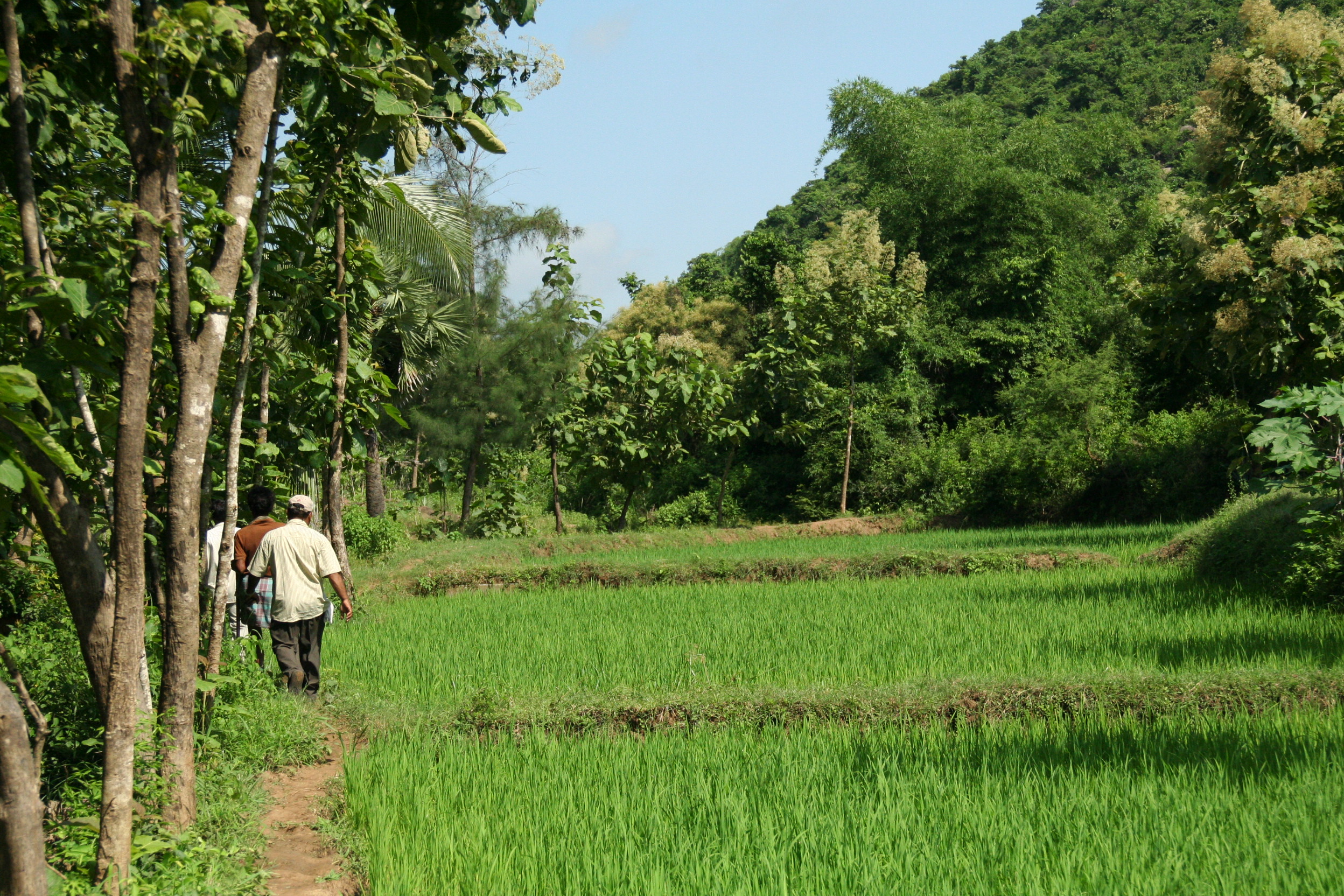
Sustainable agriculture can be understood as an ecosystem approach to agriculture. Practices that can cause long-term damage to soil include excessive tilling of the soil (leading to erosion) and irrigation without adequate drainage (leading to salinization). Long-term experiments have provided some of the best data on how various practices affect soil properties essential to sustainability.
The most important factors for an individual site are sun, air, soil, nutrients, and water. Of the five, water and soil quality and quantity are most amenable to human intervention through time and labor.
 |
| Image courtesy : Wikipedia |
Although air and sunlight are available everywhere on Earth, crops also depend on soil nutrients and the availability of water. When farmers grow and harvest crops, they remove some of these nutrients from the soil. Without replenishment, land suffers from nutrient depletion and becomes either unusable or suffers from reduced yields. Sustainable agriculture depends on replenishing the soil while minimizing the use or need of non-renewable resources, such as natural gas (used in converting atmospheric nitrogen into synthetic fertilizer), or mineral ores (e.g., phosphate).
What grows where and how it is grown are a matter of choice. Two of the many possible practices of sustainable agriculture are crop rotation and soil amendment, both designed to ensure that crops being cultivated can obtain the necessary nutrients for healthy growth. Soil amendments would include using locally available compost from community recycling centers. These community recycling centers help produce the compost needed by the local organic farms.
Using community recycling from yard and kitchen waste utilizes a local area's commonly available resources. These resources in the past were thrown away into large waste disposal sites, are now used to produce low cost organic compost for organic farming. Other practices includes growing a diverse number of perennial crops in a single field, each of which would grow in separate season so as not to compete with each other for natural resources.This system would result in increased resistance to diseases and decreased effects of erosion and loss of nutrients in soil. Nitrogen fixation from legumes, for example, used in conjunction with plants that rely on nitrate from soil for growth, helps to allow the land to be reused annually. Legumes will grow for a season and replenish the soil with ammonium and nitrate, and the next season other plants can be seeded and grown in the field in preparation for harvest.
Monoculture, a method of growing only one crop at a time in a given field, is a very widespread practice, but there are questions about its sustainability, especially if the same crop is grown every year. Today it is realized to get around this problem local cities and farms can work together to produce the needed compost for the farmers around them. This combined with growing a mixture of crops (polyculture) sometimes reduces disease or pest problems but polyculture has rarely, if ever, been compared to the more widespread practice of growing different crops in successive years (crop rotation) with the same overall crop diversity. Cropping systems that include a variety of crops (polyculture and/or rotation) may also replenish nitrogen (if legumes are included) and may also use resources such as sunlight, water, or nutrients more efficiently.
Replacing a natural ecosystem with a few specifically chosen plant varieties reduces the genetic diversity found in wildlife and makes the organisms susceptible to widespread disease. The Great Irish Famine (1845–1849) is a well-known example of the dangers of monoculture. In practice, there is no single approach to sustainable agriculture, as the precise goals and methods must be adapted to each individual case. There may be some techniques of farming that are inherently in conflict with the concept of sustainability, but there is widespread misunderstanding on effects of some practices. Today the growth of local farmers' markets offer small farms the ability to sell the products that they have grown back to the cities that they got the recycled compost from. By using local recycling this will help move people away from the slash-and-burn techniques that are the characteristic feature of shifting cultivators are often cited as inherently destructive, yet slash-and-burn cultivation has been practiced in the Amazon for at least 6000 years; serious deforestation did not begin until the 1970s, largely as the result of Brazilian government programs and policies. To note that it may not have been slash-and-burn so much as slash-and-char, which with the addition of organic matter produces terra preta, one of the richest soils on Earth and the only one that regenerates itself.
There are also many ways to practice sustainable animal husbandry. Some of the key tools to grazing management include fencing off the grazing area into smaller areas called paddocks, lowering stock density, and moving the stock between paddocks frequently.
source:wikipedia
What grows where and how it is grown are a matter of choice. Two of the many possible practices of sustainable agriculture are crop rotation and soil amendment, both designed to ensure that crops being cultivated can obtain the necessary nutrients for healthy growth. Soil amendments would include using locally available compost from community recycling centers. These community recycling centers help produce the compost needed by the local organic farms.
Using community recycling from yard and kitchen waste utilizes a local area's commonly available resources. These resources in the past were thrown away into large waste disposal sites, are now used to produce low cost organic compost for organic farming. Other practices includes growing a diverse number of perennial crops in a single field, each of which would grow in separate season so as not to compete with each other for natural resources.This system would result in increased resistance to diseases and decreased effects of erosion and loss of nutrients in soil. Nitrogen fixation from legumes, for example, used in conjunction with plants that rely on nitrate from soil for growth, helps to allow the land to be reused annually. Legumes will grow for a season and replenish the soil with ammonium and nitrate, and the next season other plants can be seeded and grown in the field in preparation for harvest.
Monoculture, a method of growing only one crop at a time in a given field, is a very widespread practice, but there are questions about its sustainability, especially if the same crop is grown every year. Today it is realized to get around this problem local cities and farms can work together to produce the needed compost for the farmers around them. This combined with growing a mixture of crops (polyculture) sometimes reduces disease or pest problems but polyculture has rarely, if ever, been compared to the more widespread practice of growing different crops in successive years (crop rotation) with the same overall crop diversity. Cropping systems that include a variety of crops (polyculture and/or rotation) may also replenish nitrogen (if legumes are included) and may also use resources such as sunlight, water, or nutrients more efficiently.
Replacing a natural ecosystem with a few specifically chosen plant varieties reduces the genetic diversity found in wildlife and makes the organisms susceptible to widespread disease. The Great Irish Famine (1845–1849) is a well-known example of the dangers of monoculture. In practice, there is no single approach to sustainable agriculture, as the precise goals and methods must be adapted to each individual case. There may be some techniques of farming that are inherently in conflict with the concept of sustainability, but there is widespread misunderstanding on effects of some practices. Today the growth of local farmers' markets offer small farms the ability to sell the products that they have grown back to the cities that they got the recycled compost from. By using local recycling this will help move people away from the slash-and-burn techniques that are the characteristic feature of shifting cultivators are often cited as inherently destructive, yet slash-and-burn cultivation has been practiced in the Amazon for at least 6000 years; serious deforestation did not begin until the 1970s, largely as the result of Brazilian government programs and policies. To note that it may not have been slash-and-burn so much as slash-and-char, which with the addition of organic matter produces terra preta, one of the richest soils on Earth and the only one that regenerates itself.
There are also many ways to practice sustainable animal husbandry. Some of the key tools to grazing management include fencing off the grazing area into smaller areas called paddocks, lowering stock density, and moving the stock between paddocks frequently.
source:wikipedia
Wednesday, 6 July 2016
வாழைக்கழிவு மண்புழு கம்போஸ்ட் பயன்பாட்டால் ஆண்டுக்கு ரூ.913 கோடி சேமிப்பு தேசிய வாழை ஆராய்ச்சி மையம் தகவல்
மண்புழு கம்போஸ்ட் முறையால் ஆண்டுக்கு சுமார் ரூ.913கோடி சேமிக்க முடியும் என்று கணக்கிடப்பட்டுள்ளது. தமிழ்நாட்டில் ஆண்டுக்கு 8.30 லட்சம் எக்டேர் பரப்பளவில் வாழை பயிரிடப்படுகிறது. இதில் 298 லட்சம் டன் வாழைத்தார் உற்பத்தி செய்யப்படுகிறது. வாழை உற்பத்தியிலும் (82.5 லட்சம் டன்), உற்பத்தித் திறனிலும் (65.8டன்) தமிழக முதலிடம் வகிக்கிறது. தமிழகத்தில் பூவன், கற்பூர வள்ளி, நெய்பூவன், ரஸ்தாளி, மொந்தன், நேந்திரன், செவ்வாழை, ரொ பஸ்டா என பல தரப்பட்ட வாழை ரகங்கள் பயிரிடப்படுகின்றன.
 |
| Image courtesy : wikipedia |
பொதுவாக, தமிழ் நாட்டில் வாழைச் சாகுபடி நஞ்சை மற்றும் தோட்டக்கால் முறைகளில் செய்யப்பட்டு வருகிறது. ஆண்டுக்கு 298 லட்சம் டன் வாழை உற்பத்தி செய்யும் பொழுது, சுமார், 375லட்சம் டன் அளவில், இலைச்சருகு, தண்டு, கிழங்கு, கொன்னைப்பகுதி போன்ற வாழைக் கழிவுகள் உருவாகின்றன. தோட்டக்கால் முறை வாழை சாகுபடியில் வாழை கழிவுகளை நிலத்திலிருந்து அப்புறப்படுத்த வேண்டிய கட்டாயம் ஏற்படுகிறது.
இந்த வாழை கழிவுகளில் அபரிமிதமான ஊட்டச்சத்துக்கள் வீணாகின்றன. வாழை சாகுபடியில் நாம் பயன்படுத்தும் ஊட்டச் சத்துகளில் சுமார் 4 முதல் 56 சதம் வாழை காய்களிலும், பழங்களிலும் சேகரிக்கப்பட்டு மண்ணிலிருந்து எடுத்துக் கொள்ளப்படுகிறது. மீதமுள்ள 44 முதல் 96 சதம் ஊட்டச்சத்துகள், வாழை மரத்தின் மற்ற பகுதிகளான இலைச்சருகு, தண்டு, இலையுறை, கிழங்கு போன்றவைகளில் சேகரிக்கப்பட்டு கழிவுகளாக வீணாக்கப்படுகின்றன.
இத்தகைய கழிவுகளை மண்புழு கம்போஸ்டாக மாற்றி அதனை மீண்டும் வாழைச் சாகு படிக்கே பயன்படுத்தலாம். ஒரு எக்டரிலிருந்து பெறப்பட்ட வாழைக் கழிவிலிருந்து தயாரிக்கப்படும் மண்புழு கம்போஸ்டில், சுமார் ரூ.2,587 மதிப்புள்ள தழை சத்தும், ரூ.483 மதிப்புள்ள மணிச்சத்தும், ரூ.7,920 மதிப்புள்ள சாம்பல் சத்தும் உள்ளன.
வாழைக்கழிவு மண்புழு கம்போஸ்டை வாழைச் சாகுபடியில் மறுசுழற்சி செய்தால், மண்ணி லிடப்படும் செயற்கை உரத்தின் அளவைக் குறைத்து ஒரு எக்டர் வாழை உற்பத்தியில் ஆகும் உரச்செலவில் ரூ.11,000 சேமிக்கலாம். மேலும், இம்முறையில், 2ம் நிலை பேரூட்டச் சத்துக்களான சுண்ணாம்பு, மக்னீசியம், கந்தகம் மற்றும் நுண்ணூட்ட சத்துக்களும் மறு சுழற்சியாவதால் மண்வளம் மேம்படுத்தப்பட்டு, வாழையில் அதிக மகசூலும் எடுக்க முடிகிறது.
இது குறித்து தேசிய வாழை ஆராய்ச்சி மைய விஞ்ஞானிகள் கூறுகையில், மண்புழு கம் போஸ்ட் முறை அனைத்து வாழை சாகுபடி பகுதிகளிலும் நடை முறைப்படுத்தினால், வருடத்திற்கு சுமார் ரூ.913கோடி சேமிக்க முடியும் என்று கணக்கிடப்பட்டுள்ளது என்றனர்.
source: தினகரன்
Friday, 10 June 2016
Principles of Organic Farming
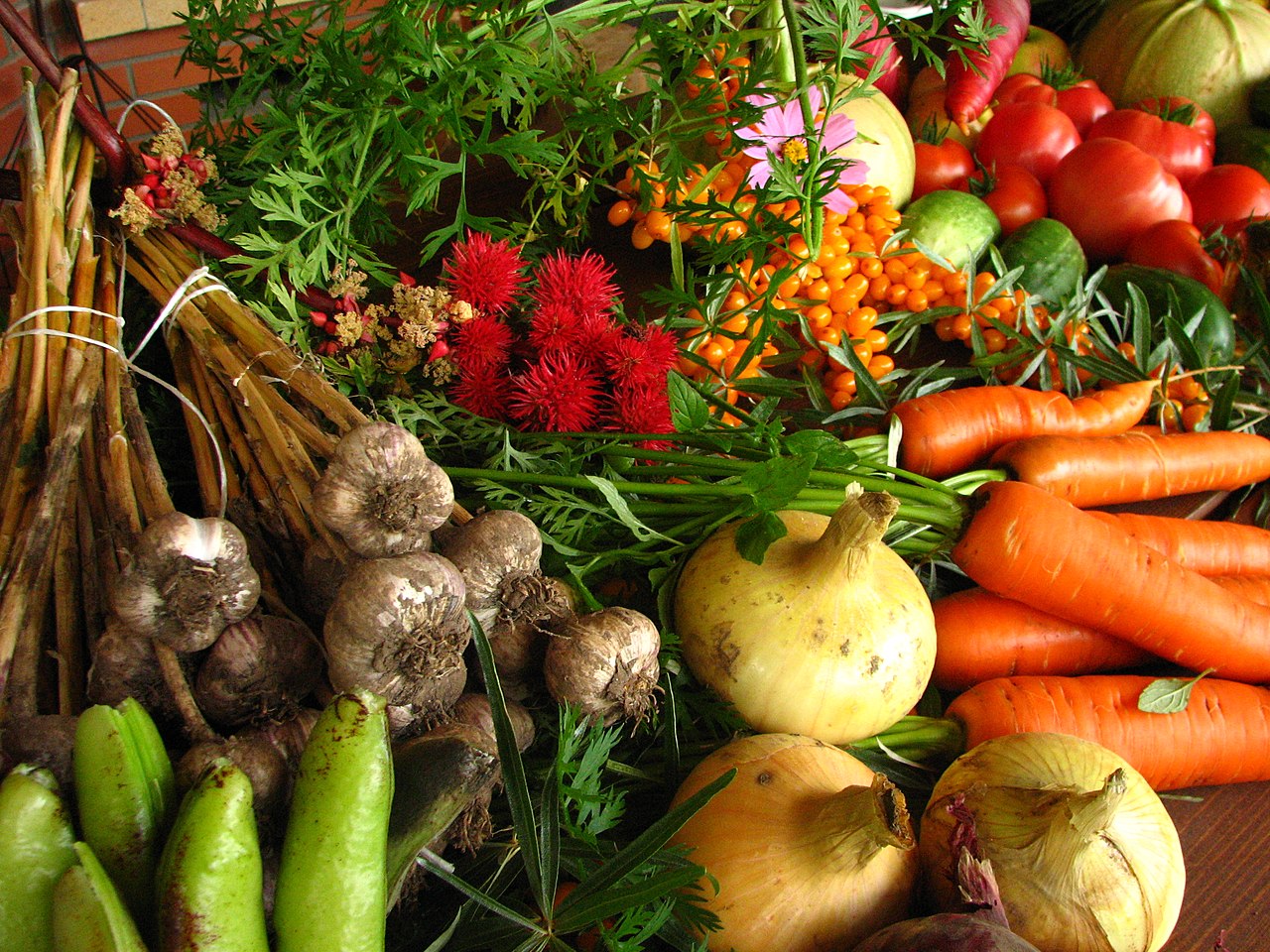
The four principles of organic agriculture are as follows:
Principle of health
Organic Agriculture
should sustain and enhance the health of soil, plant, animal, human and
planet as one and indivisible.
This principle points
out that the health of individuals and communities cannot be separated
from the health of ecosystems - healthy soils produce healthy crops
that foster the health of animals and people.
Health is the
wholeness and integrity of living systems. It is not simply the absence
of illness, but the maintenance of physical, mental, social and
ecological well-being. Immunity, resilience and regeneration are key
characteristics of health.
The role of organic
agriculture, whether in farming, processing, distribution, or
consumption, is to sustain and enhance the health of ecosystems and
organisms from the smallest in the soil to human beings. In particular,
organic agriculture is intended to produce high quality, nutritious
food that contributes to preventive health care and well-being. In view
of this it should avoid the use of fertilizers, pesticides, animal
drugs and food additives that may have adverse health effects.
Principle of ecology
Organic Agriculture
should be based on living ecological systems and cycles, work with
them, emulate them and help sustain them.
This principle roots
organic agriculture within living ecological systems. It states that
production is to be based on ecological processes, and recycling.
Nourishment and well-being are achieved through the ecology of the
specific production environment. For example, in the case of crops this
is the living soil; for animals it is the farm ecosystem; for fish and
marine organisms, the aquatic environment.
Organic farming,
pastoral and wild harvest systems should fit the cycles and ecological
balances in nature. These cycles are universal but their operation is
site-specific. Organic management must be adapted to local conditions,
ecology, culture and scale. Inputs should be reduced by reuse,
recycling and efficient management of materials and energy in order to
maintain and improve environmental quality and conserve resources.
Organic agriculture
should attain ecological balance through the design of farming systems,
establishment of habitats and maintenance of genetic and agricultural
diversity. Those who produce, process, trade, or consume organic
products should protect and benefit the common environment including
landscapes, climate, habitats, biodiversity, air and water.
Principle of fairness
Organic Agriculture
should build on relationships that ensure fairness with regard to the
common environment and life opportunities.
Fairness is
characterized by equity, respect, justice and stewardship of the shared
world, both among people and in their relations to other living
beings.
This principle
emphasizes that those involved in organic agriculture should conduct
human relationships in a manner that ensures fairness at all levels and
to all parties - farmers, workers, processors, distributors, traders
and consumers. Organic agriculture should provide everyone involved
with a good quality of life, and contribute to food sovereignty and
reduction of poverty. It aims to produce a sufficient supply of good
quality food and other products.
This principle
insists that animals should be provided with the conditions and
opportunities of life that accord with their physiology, natural
behavior and well-being.
Natural and
environmental resources that are used for production and consumption
should be managed in a way that is socially and ecologically just and
should be held in trust for future generations. Fairness requires
systems of production, distribution and trade that are open and
equitable and account for real environmental and social costs.
Principle of care
Organic Agriculture
should be managed in a precautionary and responsible manner to protect
the health and well-being of current and future generations and the
environment.
 |
| Image courtesy : wikipedia.org Elina Mark |
Organic agriculture
is a living and dynamic system that responds to internal and external
demands and conditions. Practitioners of organic agriculture can
enhance efficiency and increase productivity, but this should not be at
the risk of jeopardizing health and well-being. Consequently, new
technologies need to be assessed and existing methods reviewed. Given
the incomplete understanding of ecosystems and agriculture, care must
be taken.
This principle states
that precaution and responsibility are the key concerns in management,
development and technology choices in organic agriculture. Science is
necessary to ensure that organic agriculture is healthy, safe and
ecologically sound. However, scientific knowledge alone is not
sufficient. Practical experience, accumulated wisdom and traditional
and indigenous knowledge offer valid solutions, tested by time. Organic
agriculture should prevent significant risks by adopting appropriate
technologies and rejecting unpredictable ones, such as genetic
engineering. Decisions should reflect the values and needs of all who
might be affected, through transparent and participatory processes.
source:TNAU
Friday, 3 June 2016
மண் வளத்தை அதிகரிக்க கோடை உழவு அவசியம்
புதுக்கோட்டை: தற்போது பெய்துவரும் கோடை மழையைப் பயன்படுத்தி விவசாயிகள்
தங்களது நிலத்தின் மண் வளத்தை அதிகரிக்கும் வகையில் கோடை உழவு செய்யலாம்
என, வேளாண் துறை அறிவுறுத்தியுள்ளது.
புதுக்கோட்டை மாவட்டம், உள்பட
தமிழகத்தின் பல்வேறு பகுதிகளில் ஆங்காங்கே பரவலாக மழை பெய்கிறது. பங்குனி,
சித்திரை, வைகாசி மாதங்களில் கிடைக்கும் மழை கோடைமழை எனப்படுகிறது.
 |
| Image & Article courtesy : dinamani |
இதைப்
பயன்படுத்தி விவசாயிகள் கோடை உழவு மேற்கொள்வது மிகவும் இன்றியமையாததாகும்.
வெப்ப மண்டலத்தில் உள்ள நம் புவியானது, கோடைக் காலத்தில் மேல்மண் அதிக
வெப்பமடைகிறது.
இந்த வெப்பமானது கீழ்ப்பகுதிக்குச் செல்லும்போது நிலத்தடி நீர் ஆவியாகி வெளியேறிவிடும். எனவே, மேல் மண்ணை உழுது ஒரு புழுதிப்படலம் அமைத்துவிட்டால் விண்வெளிக்கும் வேர் சூழ் மண்டலத்துக்கும் தொடர்பு அறுந்துவிடும். இதனால் நிலத்திலுள்ள ஈரம் ஆவியாகாமல் இப்புழுதிப் படலம் தடுத்துவிடும்.
கோடை மழையைப் பயன்படுத்தி நிலத்தை நன்கு உழுவதால் பல்வேறு நன்மைகள் கிடைக்கின்றன. கோடை உழவால் மேல் மண் துகள்களாகிறது. இதனால் மண் வெப்பத்தை உறிஞ்சி விரைவில் குளிர்ந்துவிடும்.
இதனால் நிலத்தில் நீர் இறங்கும் திறன் உயரும். மண்ணில் நல்ல காற்றோட்டம் கிடைக்கிறது. வயலிலுள்ள களைகள், குறிப்பாக கோரை போன்றவை கோடை உழவு செய்வதால் மண்ணின் மேற்பரப்பிற்குக் கொண்டு வரப்பட்டு சூரிய வெப்பத்தால் உலர வைத்து அழிக்கப்படுகின்றன. கோரைக் கிழங்குகளைக் கைகளால் சேகரித்தும் அழிக்கலாம்.
நிலத்தின் அடியில் உள்ள தீமை செய்யும் பூச்சிகளின் கூண்டுப் புழுக்கள் கோடை உழவு செய்வதால் வெளியில் கொண்டு வரப்பட்டு வெயிலில் காயவைக்கபட்டு அழிக்கப்படுகின்றன. பறவைகள் அவற்றை உண்டு, கூண்டுப் புழுக்களை அழிக்கின்றன.
அறுவடை செய்யப்பட்டுள்ள வயல்களிலுள்ள முந்தைய பயிரின் தாள்கள், வேர்கள், தட்டைகள் போன்றவை கோடை உழவின்போது மடக்கி விடப்படுவதால் மண்ணின் அங்ககச் சத்து அதிகரிக்கிறது. இதனால் மண்ணில் நுண்ணுயிர்களின் செயல்பாடு மேம்படுகிறது. இதனால் மண்வளம் மேம்படுகிறது.
கோடை உழவைச் சரிவுக்குக் குறுக்கே செய்தல் வேண்டும். அதனால் மண்ணரிப்பு கட்டுப்படுத்தப்படுகிறது. கோடை உழவு செய்யாத நிலத்தில் மழை பெய்கிறபோது அம்மழை நீரானது வேகமாக வழிந்தோடி மண்ணரிப்பு ஏற்பட வாய்ப்புள்ளது.
இதுகுறித்து குடுமியான்மலை உழவர் பயிற்சி நிலைய வேளாண் துணை இயக்குநர் (பொ) பெ. கந்தசாமி கூறியது:
கோடை உழவு செய்வதால் மழைநீர் வழிந்தோடி வீணாகாமல் நிலத்துக்குள் எளிதாகப் புகுந்து சேமிக்கப்படுகிறது. இதனால் நிலத்தடி நீர் உயரும். எனவே, உழவர்கள் தங்கள் பகுதியில் பெய்யும் கோடை மழையைப் பயன்படுத்தி கோடை உழவு செய்து மண்வளம், நீர்வளத்தைப் பெருக்கிட வேண்டும் என்றார்.
source:dinamani
Monday, 30 May 2016
10 Ways Farmers Are Saving Water
Sustainability-minded farmers are looking ahead and using an arsenal of methods to conserve water. Here are just a few.
1. Drip Irrigation
Drip irrigation systems deliver water directly to a plant’s roots,
reducing the evaporation that happens with spray watering systems.
Timers can be used to schedule watering for the cooler parts of the day,
further reducing water loss. Properly installed drip
irrigation can save up to 80 percent more water than conventional irrigation, and can even contribute to increased crop yields.
 |
| Image courtesy : wikipedia |
2. Capturing and Storing Water
Many farms rely on municipal water or wells (groundwater), while some have built their own ponds to capture and store rainfall for use throughout the year. Properly managed ponds can also create habitat for local wildlife.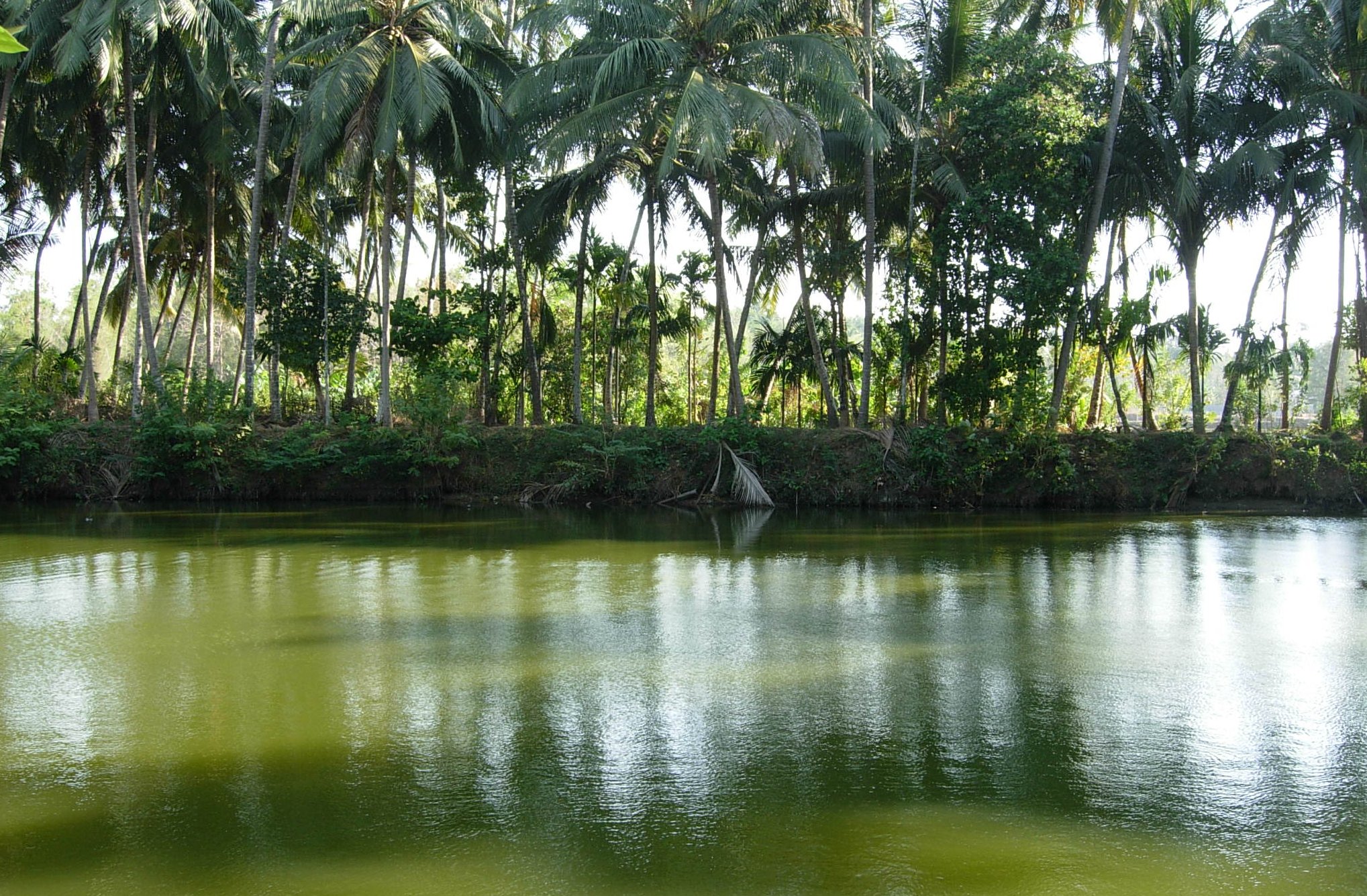 |
| Image courtesy :wikipedia |
3. Irrigation Scheduling
Smart water management is not just about how water is delivered but
also when, how often, and how much. To avoid under- or overwatering
their crops, farmers carefully monitor the weather forecast, as well as
soil and plant moisture, and adapt their irrigation schedule to the
current conditions.
4. Drought-Tolerant Crops
Growing crops that are appropriate to the region’s climate is another way that farmers are getting more crop per drop. Crop species that are native to arid regions are naturally drought-tolerant, while other crop varieties have been selected over time for their low water needs.5. Dry Farming
California dry farmers don’t irrigate, relying on soil moisture to produce their crops during the dry season. Special tilling practices and careful attention to microclimates are essential. Dry farming tends to enhance flavors, but produces lower yields than irrigated crops.6. Rotational Grazing
Rotational grazing is a process in which livestock are moved between fields to help promote pasture regrowth. Good grazing management increases the fields’ water absorption and decreases water runoff, making pastures more drought-resistant. Increased soil organic matter and better forage cover are also water-saving benefits of rotational grazing.7. Compost and Mulch
Compost, or decomposed organic matter used as fertilizer, has been found to improve soil structure, increasing its water-holding capacity. Mulch is a material spread on top of the soil to conserve moisture. Mulch made from organic materials such as straw or wood chips will break down into compost, further increasing the soil’s ability to retain water. Farmers may also use black plastic mulch as a soil cover to suppress weeds and reduce evaporation.8. Cover Crops
Planted to protect soil that would otherwise go bare, cover crops reduce weeds, increase soil fertility and organic matter, and help prevent erosion and compaction. This allows water to more easily penetrate the soil and improves its water-holding capacity. A 2012 survey of 750 farmers conducted by North Central Sustainable Agriculture Research and Education found that fields planted with cover crops were 11 to 14 percent more productive than conventional fields during years of drought.9. Conservation Tillage
The Dust Bowl of the 1930s was created by a perfect storm of deep plowing and loss of perennial grasses followed by extreme drought and wind erosion. Conservation tillage uses specialized plows or other implements that partially till the soil but leave at least 30 percent of vegetative crop residue on the surface. Like the use of cover crops, such practices help increase water absorption and reduce evaporation, erosion, and compaction.10. Going Organic
In a 30-year farm systems trial, the Rodale Institute found that corn grown in organic fields had 30 percent greater yields than conventional fields in years of drought. In addition to keeping many of the more toxic pesticides out of our waterways, organic methods help retain soil moisture. Healthy soil that is rich in organic matter and microbial life serves as a sponge that delivers moisture to plants. The trial also found that organic fields can recharge groundwater supplies up to 20 percent.source:cuesa.org
Friday, 27 May 2016
Popularising SRI (The System of Rice Intensification)
 |
| Article courtesy : http://indiatogether.org |
Meghnath Bhattacharya and Bijoo Toppo have won two awards at the 58th
National Film Awards announced earlier this year. One of them is for Loha
Garam Hai, on the ill effects of
industrialization on environment, health and livelihood. The other one
is for
Ek Ropa Dhaan, declared the Best Film on Agriculture.
The 26-minute film traverses the fields of Bihar to explain, educate and
promote a new technology in paddy cultivation that the locals have
given the
name Ek Ropa Dhaan from which the film borrows its title. The
film takes a look at the basic problem of food . the first of our
survival needs -
and points to a way of solving the problem, known as the System of Rice
Intensification (SRI), to boost agricultural yields. The advantages of
this
relatively simple technique is that it needs less fertilizers, seeds,
insecticides, labour and most importantly, much less water than is
needed in
normal modes of cultivation. The water needed is only about one-third of
what is used in the traditional system of growing paddy.
The opening frame of the film shows a green farming field, with a
voice-over explaining the acute scarcity of food, mainly among the
farming
population. One of the farmers interviewed in the film says that most
farmers produce less than subsistence levels and can barely live for
three months
out of what they normally produce. The Ek Ropa Dhaan technique has bettered their lives in a significant way. This farming method was introduced
by a Catholic priest, Father Henri de Laulanie, in Madagascar, around 25 years ago.

The exorbitant prices of fertilizers, seeds, irrigation, electricity and
labour have adversely affected any possible profits from farming.
However, an
increase in productivity does not always require higher investment. Farm
yields can be enhanced by improving the methods of cultivation - and
this is
precisely what the film points out.
One striking feature is the proliferation of the woman's voice
throughout the film. Kunti Devi, who has adopted this method for her
farm, smiles into
the camera and proudly claims how numerous farmers took her example to
adopt the SRI method and got very good results. There are dozens of
rural women
who not only look after their own farms but also spread the message and
help.
In India alone, farmers in more than 100 districts have begun using the
SRI method. In Gaya district, Bihar, this method of cultivation has
taken the
form of a mass movement. The whole district is reverberating with
different sections of the people discussing SRI and the success stories
of many
women, who have adopted this method. More than 35 countries have adopted
this revolutionary method of paddy cultivation.
Some important features of the SRI method are:
-
The paddy seeds have to be treated before sowing.
-
For each acre of cultivable land, four nursery beds of 20 x 4 ft each have to be prepared.
-
18-15-day old seedlings are transplanted using this new technique
-
The principle of one seedling per hill is used in the transplantation lending itthe local name of ek ropa dhaan.
-
10-12-inches are maintained from plant to plant, and row to row.
-
A specially designed weeder is used for the weeding.
These methods are explained in detail graphically as well as through
voice-overs and interviews with an agricultural scientist, a district
magistrate,
an agricultural activist and other pioneers who are working to help
small farmers make a living with dignity. Instead of first educating and
persuading
the big farmers to use this technology, this movement begins from the
small and marginal farmer and moves upwards where big landowners and
farmers take
the example of practicing the method of cultivation.
The SRI technique of paddy cultivation can go a long way in providing an
effective answer to the challenges of sustainable agriculture and
addressing
food security concerns.
Our ancestors worshipped food, and did not see it merely as a commodity
to be sold in the market. Today, however, agriculture in India is
passing
through a crisis. Farming has become a loss-making proposition. Ek Ropa Dhaan
shows one way of resolving this crisis. Scientists, agriculturists
and others are convinced of the effectiveness of SRI method. This method
of root intensification has also been successfully introduced in other
crops
such as wheat, sugar cane and vegetables.
The film is aesthetically expressive too without being too pedantic or
filled with advisory oratory. The visuals capture the beautiful mosaic
of Nature
blue skies and green fields - and local women in colourful cotton
saris, their hair sprinkled with vermillion dotting the picturesque
canvas
beautifully. The music track runs like a living constant throughout the
film. The commentator often retreats to allow local voices to express
themselves freely in their local dialect. Towards the end, the music of a
popular Bengali folk song famously sung by the Indian People's Theatre
Association long back fills the sound track meaningfully because it is a
farmers' song.
The film drives home the point that an increase in productivity does not
always require higher investment. Farm yields can be enhanced by
improving the
methods of cultivation. That changing the method of cultivation from
broadcasting to transplanting will dramatically change the yield of
paddy is
common knowledge today.
The citation from the jury said "A succinct and well-researched film
that looks closely at an innovation in the farming of rice." What do the
directors
have to say? "It is nice to get national recognition," beamed Biju
Toppo, also a cinematographer. Meghnath adds, "It is more important to
spread the
message. Our films have been screened by universities in Germany and
Denmark, but Ranchi University didn't bother. This could be a very good
film for
use in agricultural colleges and institutes of agricultural technology."
source: indiatogether.org
Subscribe to:
Posts (Atom)