@Sadhana Organic Nature Gardens . We are in the thick of the Mango season. But, there are hardly any fruits this year. A disastrous Mango season in Tamilnadu. So, each fruit that has survived is a precious one.
Sadhana is harvesting one such precious Himam Pasand Mango today. A perfect specimen. Mature, flawless, rare. Mother Nature's Blessing
Saturday, 28 May 2022

organic Turmeric
26 May 2022. Planting season for organic Turmeric has started at @Sadhana Organic Nature Gardens . Sadhana, our green fingers, planted the first turmeric seed. Our farm ladies will complete the process in about 2 weeks. The farm produces the best quality organic Turmeric Powder. The farm produces and sells organic Raw Turmeric, Turmeric seeds and Turmeric Powder
Sugarcane plantation : Ring Pit Method
At Sadhana Organic Nature Gardens, we are expanding our sugarcane crop, due to the extreme popularity of our jaggery powder produced from our organic sugarcane. We do it in the Ring Pit Method. This method optimises the utilisation of the bio nutrients, by restricting their application to the rhizosphere of the plants in the pit. Also, the soil in the pit becomes nutrient and microbe rich, resulting in very healthy sugarcane plants.
Wednesday, 6 March 2019
உயிர்வேலி பயிருக்கு அரண்
 |
| Image Courtesy : Wikipedia |
தற்சார்பு பொருளாதாரத்திற்கு வழிவகுக்கக் கூடியது. மேலும் உயிர் வேலி அமைக்கும் பகுதியில் உள்ள மரங்கள் நிலத்திற்குள் வரும் காற்றை தடுக்கும் தடுப்பானாகவும் அமையும்.
மண் அரிப்பு, காற்று அரிப்பை தடுக்கும் சக்தி இவைக்கு உண்டு. இதனால் நம் நிலத்தில் உள்ளே நாம் பயிரிடும் பழ மரங்கள், தென்னை, வாழை போன்றவைகளை கீழே சாய விடாமல் காற்றின் வேகத்தை குறைத்து தடுக்கும் தடுப்பாக பயன்படுகிறது. கடற்கரை ஓரங்களில் காற்றினால் மண் வாரி இறைப்பது தடுக்கப்படுகிறது.
மண் மேடு உருவாவது தடுக்கப்படுகிறது. உயிர் வேலி மரங்கள் பரம்பை முள், கிளுவை முள், நாட்டுக் கருவேல், கள்ளிச்செடி, நொச்சி, பனைமரம், கொடிப்பூவரசு, கொடுக்காப்புளி, இலந்தை முள், சவுக்கு, காகிதப்பூ (போகன்வில்லா), கலாக்காய் மரம், சீகைக்காய் மரம் போன்ற உயிர் வேலி மரங்கள் பல்லுயிர்களின் பெருக்கமாகவும், அதற்கு தேவையான வாழ்விடமாகவும் அமையும். உயிர் வேலி நம் நிலத்தை சுற்றி அமைக்கும்போது பாம்பு, தேள், பூரான் போன்ற அஞ்சக்கூடிய உயிர் இனங்கள் அனைத்தும் நிலத்திற்குள் தங்காமல் வேலியில் தங்கி பாதுகாப்பு வளையமாக செயல்படும். இதனால் நிழல் உருவாகும்.
ஆந்தை, மயில்கள், குருவி, கரிச்சான் போன்ற பறவை இனங்கள் உயிர் வேலிகளில் கூடு கட்டி தங்கி சிறு சரணாலயமாகவும் செயல்பட வழி வகுக்கும்.
மழைக்காலத்திற்கு முன்னர் நிலத்தின் எல்லைப் பகுதிகள் முழுவதும் உயிர் வேலி வளர்வதற்கு சிறிது இடம் ஒதுக்கி (6-7 அடி) உயிர்வேலி அமைத்தால் மண் அரிமானம் தடுக்கப்பட்டு பயிர்களுக்கு மனிதர்கள், விலங்குளிடமிருந்து பாதுகாப்பான அரணாக அமைந்து விடும்.
ஆண்டிற்கு ஒருமுறை செடிகளை கவாத்து செய்து புதர் போல இல்லாமல் வைத்து கொள்ள வேண்டும். சில வகை உயிர் வேலிகள் விவசாயத்திற்கு கூடுதல் வருமானம் தரக்கூடிய வகையில் தேனீ வளர்ப்பு, கால்நடைக்கு தீவனமாக பயன்படுகின்றன.
தொடர்புக்கு 94435 70289.
- எஸ். சந்திரசேகரன்,
வேளாண் ஆலோசகர்,
அருப்புக்கோட்டை.
நன்றி : தினமலர் விவசாயமலர்
Sunday, 3 March 2019
சூரிய உலர் களம் : விளைபொருட்களை தரமாக மதிப்பு கூட்டலாம்!
 |
| Image Courtesy : Indiamart |
இவற்றைப் போல, விளை பொருட்களை உலர வைக்கும் சூரிய உலர் களத்தை, வேளாண் பொறியியல் துறை மூலம், மானிய உதவியுடன் அமைக்கலாம்.விவசாயிகள், தங்களின் நிலங்களில் கூடுதலாக விளையும், தேங்காய், மாங்காய் மற்றும் காய்கறிகளை மதிப்பு கூட்டி, நல்ல விலைக்கு விற்பதற்கு, இந்த சூரிய உலர் களம் பயன்படும். இத்திட்டத்தில், 5 ஏக்கர் மற்றும் அதற்கு மேல், தென்னை மற்றும் காய்கறிகளை சாகுபடி செய்யும் விவசாயிகள் இணைந்தால், மானிய உதவியுடன் கூடிய வங்கிக் கடனைப் பெற்று, தங்களின் வருமானத்தை, ஐந்து மடங்காக உயர்த்த முடியும்.
திறந்த வெளியில் தார்ப்பாய் அல்லது சாக்குகளை விரித்து, விளை பொருட்களை காய வைக்கும் போது, சூரிய வெப்பம் சீராக கிடைக்காத நிலையில், அவை காய்வதில் தாமதம் ஏற்படும். ஆனால், சூரிய ஒளி உலர் களத்தின் தட்டுகள், சுத்தமான சூழலில், வெப்பத்தை வெளியேற்றும். விசிறிகளை பொருத்தவும் வசதியுள்ளதால், விளைபொருட்களை தரமாக மதிப்பு கூட்டலாம்.
மிளகாய் வற்றல், காய்கறி வற்றல் தயாரிக்க, மீன்களைக் கருவாடாக மாற்ற, மருந்தாகப் பயன்படும் துளசி, கடுக்காய், ஜாதிக்காய் மற்றும் கறிவேப்பிலை, முருங்கைக் கீரை, முருங்கை விதைகளை காய வைக்க, இது உதவும். தேங்காய் கொப்பரைகளை இதில் காய வைத்தால், கூடுதலாகவும், சுத்தமாகவும் எண்ணெய் கிடைக்கும்.
சிறிய அளவில், அதாவது, 'ட்ரே, ட்ராலி' இல்லாமல், 410 சதுரடியில் அமைக்க, 3.26 லட்சம் ரூபாய் தேவைப்படும்; இதில் மானியமாக, 1.62 லட்சம் தரப்படும். இதுவே, 620 சதுரடிக்கு, 4.89 லட்சமும், 800 சதுரடிக்கு, 5.94 லட்சமும் தேவைப் படும்; இதில் முறையே, 2.45 லட்சமும், 2.97 லட்சமும் மானியம் கிடைக்கும். இதையே, ட்ரே, ட்ராலியுடன் அமைக்க, 410 சதுரடிக்கு, 4.85 லட்சம்; 620 சதுரடி, 7.28 லட்சம்; 800 சதுரடிக்கு, 9.13 லட்சம் ரூபாய் செலவாகும்.
மானியத்துடன், சூரிய உலர் களத்தை அமைக்க விரும்பும் விவசாயிகள், உரிய ஆவணங்களுடன் வேளாண் பொறியியல் அலுவலகத்தை அணுகலாம். நுண்ணீர் பாசனம், இயற்கை இடுபொருட்கள், ஒருங்கிணைந்த உர நிர்வாகம், களை நிர்வாகம், ஊடுபயிர் சாகுபடி, வேலிப்பயிர், வரப்புப் பயிர் போன்ற உத்திகளைக் கடைப்பிடித்தால், விவசாயிகள், கூடுதல் லாபத்தை அடையலாம்.
தொடர்புக்கு: 98420 07125.
நன்றி : தினமலர் (10 Feb 19)
Sunday, 24 February 2019
வேளாண் விற்பனை மற்றும் வணிகத்துறை

அரசு வேளாண் விற்பனை மற்றும் வணிகத்துறை தொடர்பான இணையதள முகவரி

Friday, 22 February 2019
Sadhana's raised beds for greens and vegetables
Sadhana Organic Nature Gardens. 20 Feb 2019.
Sadhana's raised beds for greens and vegetables


Sadhana's raised beds for greens and vegetables


Tuesday, 8 January 2019
Wood rose at Sadhana Orgnic Nature Gardens
 |
The first woodroses from Sadhana Organic Nature Gardens. 09th of Jan 2019.
A thing of beauty is a joy forever. Thank you Nature.
|
Saturday, 8 December 2018
New invasive weed spotted in Karnataka
Plant scientists have sounded an alarm over a new weed that has been spotted in parts of Karnataka.

Besides Jagadish Dalavi, the research team included Sneha Bramhadande, Chirag Narayankar, Suraj Patil and Shrirang Yadav.
Courtesy : India Science Wire
The plant, identified as Ethulia gracilis Delile, is growing
wildly as a weed in several places of Belagavi district of Karnataka and
may have come from Africa. It was first collected near Nipani- Chikodi
road in the late monsoon of 2017. During subsequent visits, researchers
spotted it in Mahalingpur, Mudhol and Jamkhandi Taluks of Bagalkot
district also.
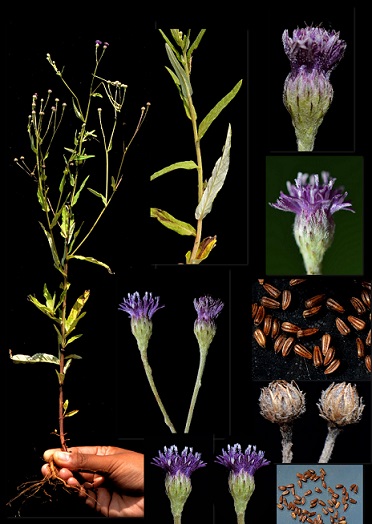
“There are good chances of this weed spreading to other parts of
the country like other noxious weeds like Parthenium and Lantana,” fear
researchers from the Department of Botany, Shivaji University,
Kolhapur, who have conducted the study. The research findings have been
published in journal Current Science.
“It does not affect any specific crop, but is growing in the
cultivated fields of drier parts of Karnataka, adversely affecting on
the growth of many crops just like other weeds such as Parthenium,
Vernonia, Tridax, Chromolaena,” Jagdissh Dalavi,who was involved in the
identification of the new weed, told India Science Wire.
In a casual look, the weed can be mistaken with Vernonia
cinereal, another commonly found weed, except that the seeds of Ethulia
are without the parachute mechanism which helps in seed dispersal. The
weed belongs to a widespread family of decorative plants called
Asteraceae. It grows to about two feet height with very sharp leaves and
an inflorescence at the top. It was discovered during a survey in the
dry fields of Belagavi district of Karnataka.
The possibility of it spreading fast is greater because plants
of the Asteraceae family are highly evolved among the flower bearing
plants, produce large number of seeds which can disperse far and wide.
They are also resistant to diseases, insect pests and are repulsive to
grazing animals. Their tremendous ability to reproduce makes them highly
invasive weeds
So far it has been reported only from Karnataka. There are some
possibilities of occurrence of this species in similar habitats. Only
two other species of Ethulia have been found in India, and that too in
the North Eastern region. But the new weed Ethulia gracilis is much
different from them and resembles a plant growing in Africa.
“How this weed came into India is a serious issue because it is a
native of Africa. India has imported Cajanus and some other crops from
Africa, and there are chances of mixing of some seeds of this weed with
those,” felt Dalvi. At present, there is no specific herbicide or
weedicide for the Ethulia gracilis.
Besides Jagadish Dalavi, the research team included Sneha Bramhadande, Chirag Narayankar, Suraj Patil and Shrirang Yadav.
Courtesy : India Science Wire
Thursday, 21 June 2018
Thursday, 14 December 2017
Wednesday, 13 December 2017
Thursday, 30 November 2017
Farm Pond : Rainwater harvesting
Rain water harvesting pond in our farm. The first picture was on 03 Nov, when it started filling up.
The second picture is of 06 Nov 2017, around 1600 hrs. The pond is brimming over. Just 4 days of intense NE monsoon. For the remaining period of the monsoon, this pond can not collect any more water.
You can imagine the quantum of water we can collect, save and percolate into the ground if we can have thousands of these, or even smaller ponds. |
| Picture as on 03 Nov 17 |
 |
| Picture as on 06 Nov 17 |
Wednesday, 1 November 2017
Subscribe to:
Posts (Atom)